
← Nose News
June 24, 2026
June 24, 2026
Perfume identification from a photo sounds simple—take a picture, get a name—but fragrance packaging is one of the trickiest product categories for image matching.
A few reasons:
The good news: most scan failures are fixable with better inputs. The goal isn’t “a prettier photo”—it’s a more searchable photo.
If you’re trying to identify perfume by bottle (or by picture) quickly, use this two-photo method:
If the bottle has a box, add a third photo:
3) Box barcode + ingredient panel
These are the practical tweaks that help an AI perfume identifier (or any image-matching tool) return the right result.
Perfume bottles are basically little mirrors.
Many fragrances share a bottle shape, but differ in:
Add one angled shot that clearly shows the cap + neck + front.
If the bottle says any of these, get it in focus:
Those words often distinguish flankers that otherwise look identical.
Counterintuitive, but leaving a little margin helps show shape and proportions—useful when text is unreadable.
When you’re trying to find a perfume name from a photo, scan tools usually rely on both visual match and text recognition. Help them by including these “hidden in plain sight” cues:
When a perfume bottle scanner returns the wrong result—or nothing—move through these steps in order.
Most misidentifications come from the input image.
If you can read any of the following, use it:
Even partial text plus “perfume bottle” can narrow it down.
If you find the brand and a similar-looking bottle but the name is slightly off, it’s often a flanker (a related release in the same line).
Check:
Minis, travel sprays, and refills can have simplified labeling that throws off image matching. Look for:
Batch codes can confirm production, but they’re not always easy to decode without brand context. Use the code as supporting evidence once you have a likely candidate.
Even if you can’t identify it today, you can preserve enough info to solve it later.
Create a quick record with:
This is exactly the kind of information that becomes valuable over time—especially if you’re trying to rebuild a scent you finished years ago.
Once you identify a bottle, the next high-intent question is usually: “What else smells like this?” or “What should I try next if I love this vibe?”
A helpful workflow looks like:
For example, someone who loves a “clean skin” scent might want:
That’s where personalized recommendations beat one-off lists.
Use this before you give up:
If the bottle is:
…scanning may never be perfect. In those cases, the most effective path is: save your photos + describe the scent, then look for “smells-like” candidates based on notes, style, and performance.
If you have a mystery bottle on your camera roll, take two new photos today (front label + base sticker) and save them in one place. If you’d like, you can use N.O.S.E. Notebook to scan, identify, and store it in your Fragrance Vault—then explore personalized recommendations based on what you’ve actually found and loved.
Find your next scent
Browse scent profiles, notes, and houses — or let the Scent Finder match you to a fragrance in four questions.
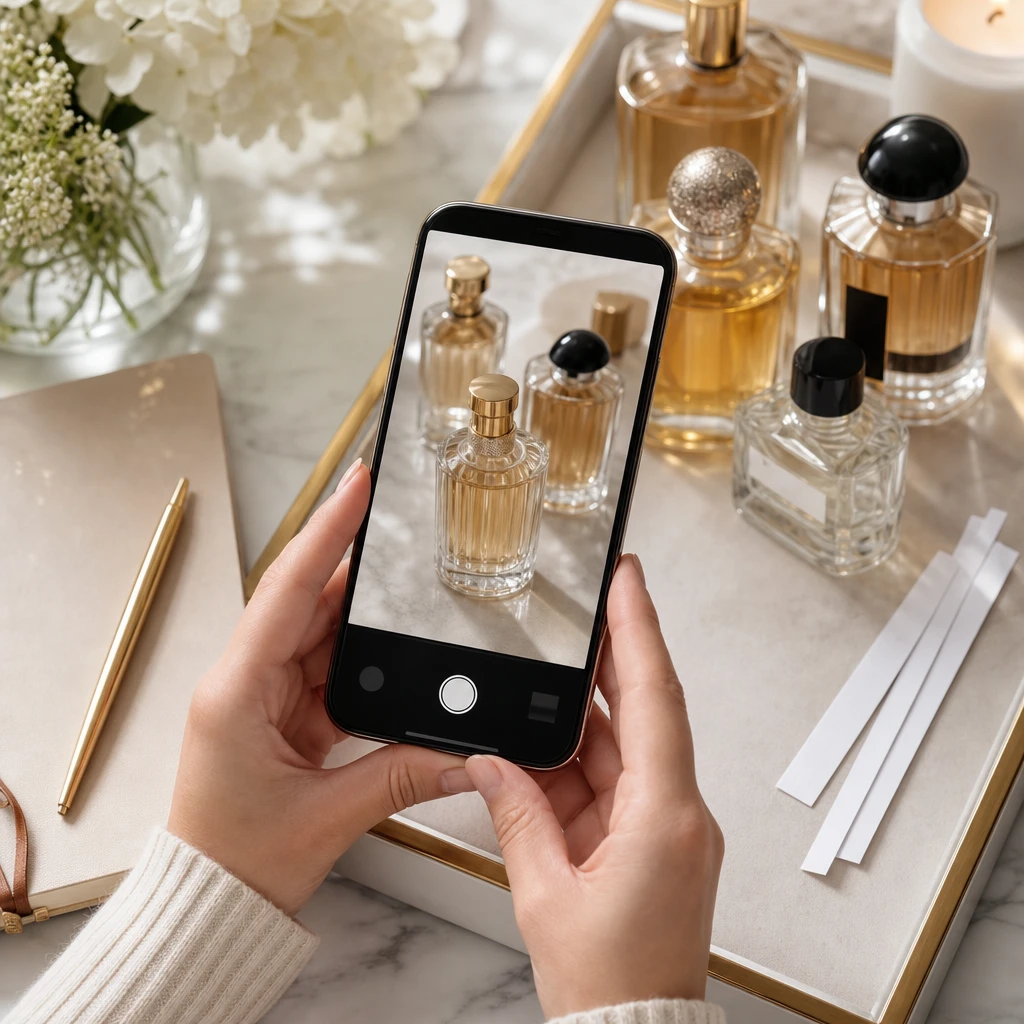
October 14, 2026
Perfume finder apps have leveled up fast: smarter AI, better bottle scans, and collection “vaults” that help you remember what you own (and what you actually love). Here’s what to look for in 2026—and how to choose the right app for your scent journey.
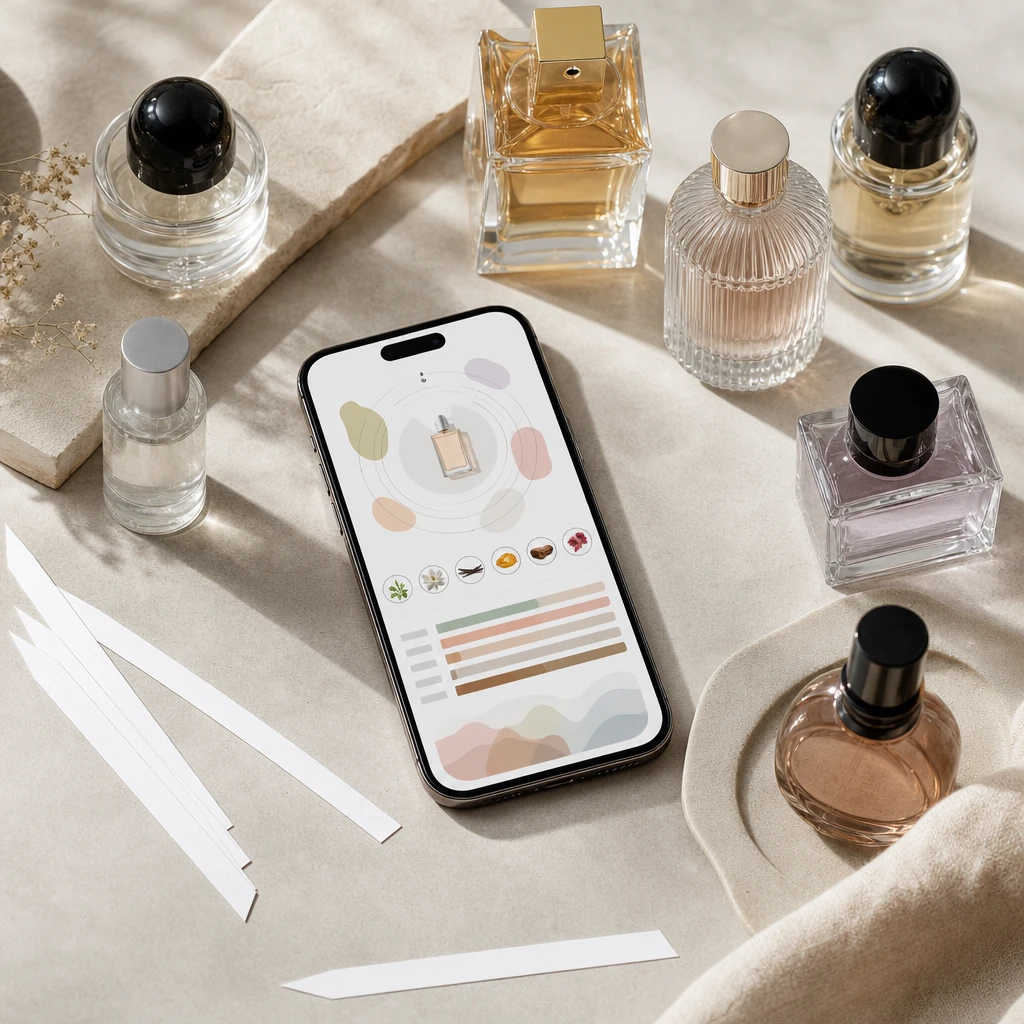
October 12, 2026
Finding a signature scent doesn’t have to mean buying a dozen discovery sets and hoping something clicks. Here’s a modern, realistic process—powered by a clear scent profile and smarter recommendations.
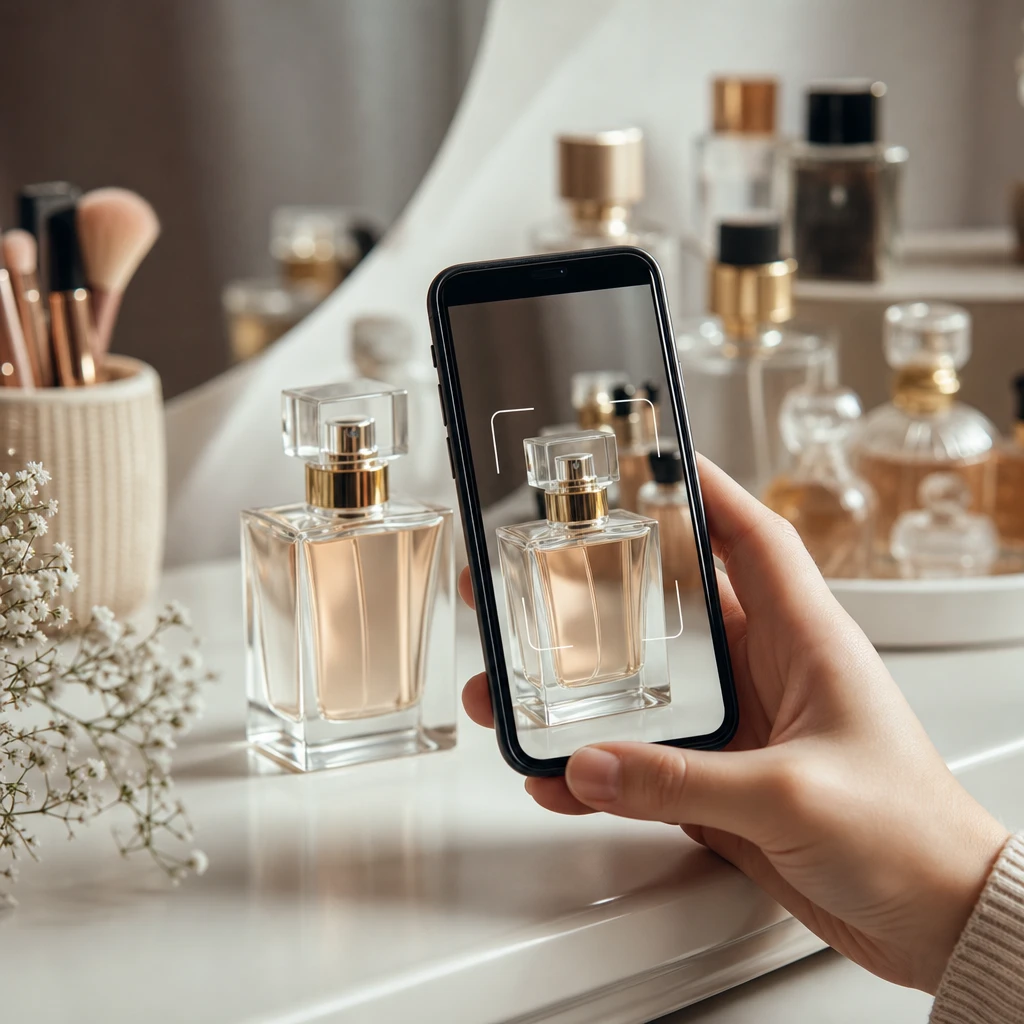
October 9, 2026
Trying to identify a perfume bottle from a photo? Here’s how perfume scanner apps work in 2026, how to scan bottles and labels for accurate matches, and how to fix the most common scan errors—especially when flankers and lookalike bottles confuse results.