
← Nose News
October 14, 2026
Best Perfume Finder Apps in 2026: AI Recommendations, Bottle Scan, and Your Fragrance Vault
October 14, 2026
Perfume discovery has changed. A few years ago, “finding a fragrance” usually meant wandering a department store counter, sampling a handful of bestsellers, and leaving with something close enough. Now discovery is happening everywhere—on TikTok and Instagram, through decant culture, niche brand drops, and the constant churn of new flankers.
That abundance is exciting, but it also creates two common problems:
First, people want better recommendations than “if you like X, try Y.” Second, they need a reliable way to identify and track what they’re smelling—especially when a bottle looks similar to five others, or when a viral clip shows only a label for half a second.
That’s where the best perfume finder apps in 2026 stand out: they combine AI fragrance recommendations, bottle scanning/identification, and a personal “fragrance vault” so your collection (and your preferences) don’t live in scattered notes and screenshots.
The phrase people search most is often “perfume scanner app” or “identify perfume by picture,” but the best tools do more than match an image. When you’re comparing options, focus on these fundamentals.
Scanning is only as good as the app’s ability to distinguish similar packaging and name variations. This matters most for:
A strong identifier experience doesn’t just return a match—it helps confirm the match. Look for signals like multiple image angles, clear labeling, and a result page that gives you enough context to verify you found the correct version.
Many platforms can show “people also liked.” In 2026, the bar is higher: the best AI fragrance recommendation app should learn from your behavior over time—what you keep, what you declutter, what you wear in different seasons, and what notes you consistently rate up or down.
The practical difference is huge. A learning system can recommend within your taste and still expand your horizons—without tossing you into random “crowd favorites” that don’t fit your style.
A vault isn’t just a list. The best fragrance app to track perfumes helps you answer everyday questions:
Features that make a vault feel useful include quick add, tagging, notes, wear history, and the ability to separate “wishlist,” “samples,” and “owned.”
The most helpful apps make it easy to go from moment of discovery to action.
For example: you see a fragrance in a video → scan or search → identify → save to your vault → get recommendations based on it → create a sampling shortlist.
If the tool makes any one of those steps painful, most people fall back to screenshots—until they can’t remember why they saved them.
A lot of fragrance tech sounds impressive. The question is: does it reduce friction and make your next purchase smarter?
Viral discovery is messy. Lighting is bad, the bottle is half‑covered by a hand, and the name may be abbreviated. Apps are responding by improving identification flows and building larger reference libraries.
When you’re comparing tools, pay attention to whether scanning feels like a reliable shortcut—or a novelty you try twice and abandon.
Consumers are increasingly building a rotation: work scents, date night scents, cozy scents, hot‑weather staples, special‑occasion standouts. Apps that support a wardrobe mindset—through lists, tags, and tracking—tend to be more useful long‑term than ones built around a single “find your one fragrance” premise.
In practice, a recommendation is only as good as its next step. The best apps help you move toward sampling, discovery sets, decants, and realistic shopping options—not just aspirational suggestions.
At N.O.S.E. Notebook, we built our platform around how fragrance lovers actually behave in 2026: curious, experimental, and constantly encountering new scents in the wild.
Our focus is three‑part:
That combination matters because it turns discovery into a system. Instead of starting from scratch every time you want something new, your vault and profile do the remembering—so recommendations can be more personal and your buying decisions more intentional.
If you’re deciding what to download or stick with, a short test can reveal a lot in under 15 minutes:
A vault with tags and wear notes helps you see your patterns—then an AI recommender can intentionally diversify within your comfort zone.
Better identification and clear product pages reduce mix‑ups, especially when names repeat across a line.
A simple logging habit—scan, save, jot a quick impression—prevents expensive guesswork later.
Strong recommendation engines paired with a sampling workflow (wishlist → shortlist → sample) help you explore more strategically.
In 2026, the best perfume finder apps aren’t just entertainment—they’re tools that help you identify what you’re seeing online, understand what you already own, and make smarter next purchases. Prioritize accurate bottle scanning, recommendations that learn your taste, and a fragrance vault that’s built for real collecting and sampling.
N.O.S.E. Notebook brings those pieces together: AI fragrance recommendations, bottle scanning & identification, and a personal scent profile with a fragrance vault—so discovery is easier to capture, and your preferences finally have a home. When you’re ready to organize your collection and sharpen your recommendations, reach out to the N.O.S.E. Notebook team or explore the platform online.
Find your next scent
Browse scent profiles, notes, and houses — or let the Scent Finder match you to a fragrance in four questions.

October 12, 2026
Finding a signature scent doesn’t have to mean buying a dozen discovery sets and hoping something clicks. Here’s a modern, realistic process—powered by a clear scent profile and smarter recommendations.

October 9, 2026
Trying to identify a perfume bottle from a photo? Here’s how perfume scanner apps work in 2026, how to scan bottles and labels for accurate matches, and how to fix the most common scan errors—especially when flankers and lookalike bottles confuse results.
October 5, 2026
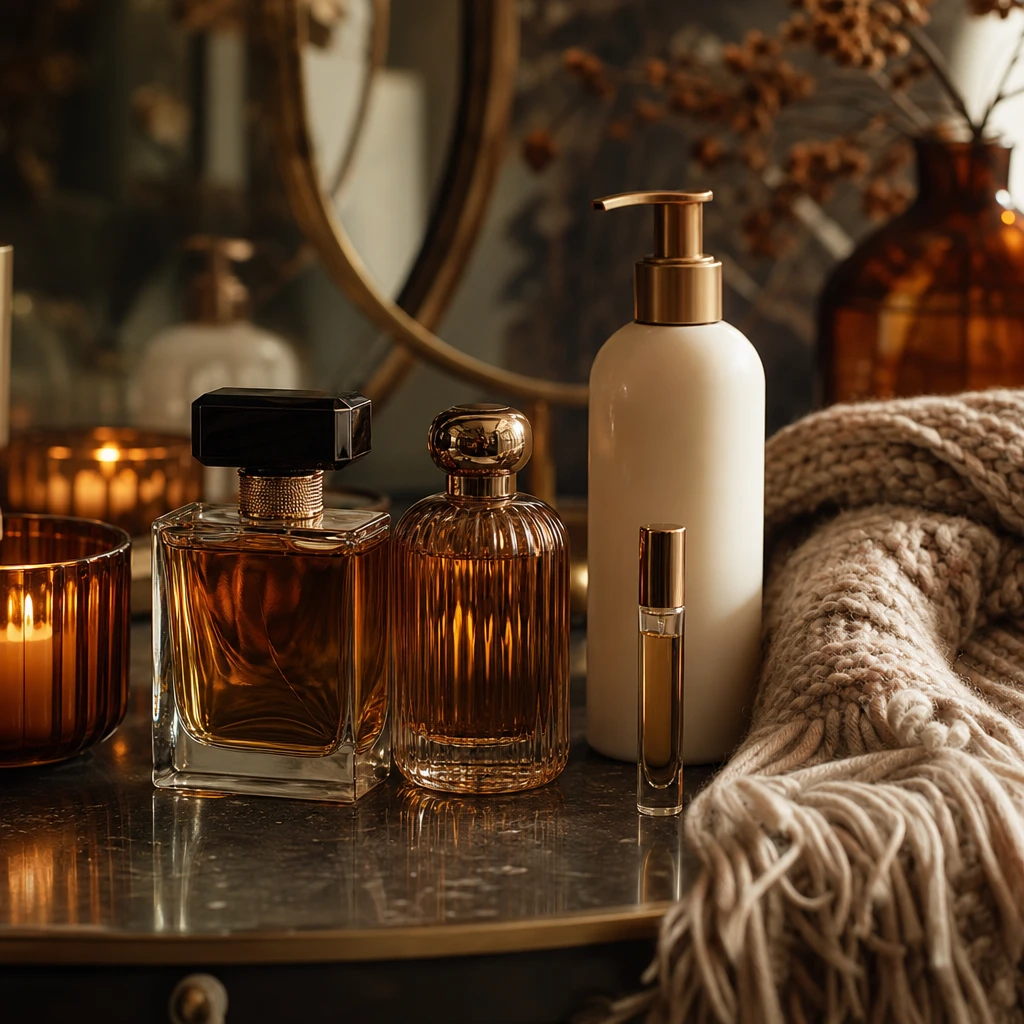
Scent stacking is a defining fragrance trend for 2026—and for good reason. Here’s how to layer perfume for fall and winter, with wearable combination templates, longevity tips, and a simple way to save your best pairings.