
← Nose News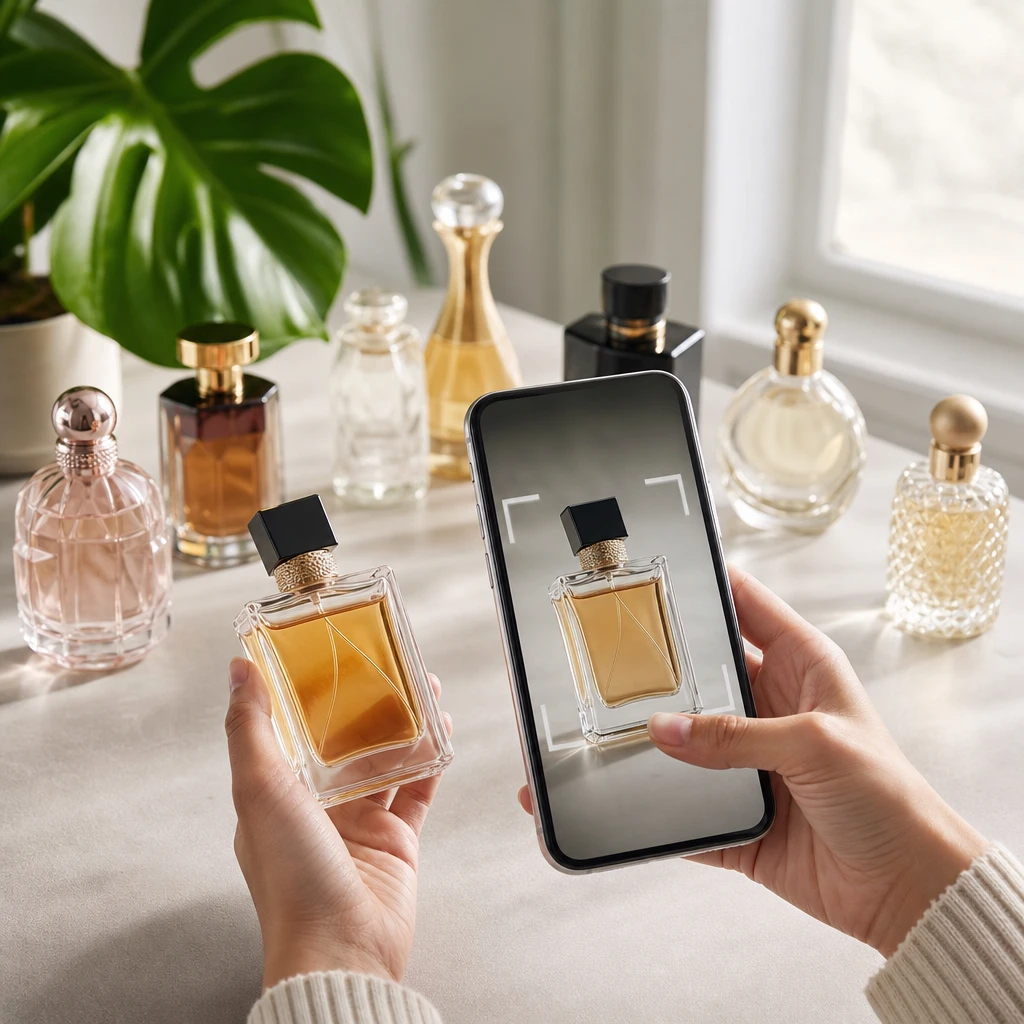
August 12, 2026
How to Use a Perfume Bottle Scanner to Identify Fragrance Fast (2026 Guide)
August 12, 2026
There’s a specific kind of frustration that only fragrance lovers understand: you recognize a bottle (or a scent memory), but not the exact name, concentration, or version. Maybe the label is worn, the cap is missing, or the bottle is a limited edition you’ve never seen before.
A perfume bottle scanner is built for this moment. Instead of searching by vague descriptors (“square bottle with gold cap”), scanning uses the visual fingerprint of a fragrance—bottle shape, label layout, logo placement, and sometimes batch or sticker clues—to surface likely matches. In 2026, camera quality and on-device image processing are better than ever, but the biggest difference still comes down to one thing: the photo you give the scanner.
Most failed scans aren’t “bad AI”—they’re missing information. Perfume bottles are reflective, curved, and often photographed in low bathroom lighting. A scanner does best when it can clearly read or infer:
Those tiny words matter. They often separate a best-seller from a flanker that smells completely different.
A strong scan image is simple: sharp, evenly lit, and straight-on. Here’s the approach we recommend when using a perfume identifier app or scanning tool.
Start with one “hero” shot:
Wipe the bottle first. A quick polish removes fingerprints that blur label edges and reduce contrast.
Use bright, indirect light. Stand near a window or use a lamp pointed at a white wall to bounce light. Avoid harsh overhead bathroom lighting that creates glare.
Shoot straight-on, not at an angle. Hold the camera parallel to the front label. Perspective distortion makes logos and letter spacing harder to read.
Fill the frame with the bottle. Leave a small border, but don’t include half the room. Background clutter can confuse recognition.
Tap to focus on the label. If your phone allows it, lower exposure slightly to reduce glare on glossy glass.
Then add two “supporting” shots (especially for harder IDs):
If you only have time for one extra photo, make it the bottom sticker—particularly for designer bottles that come in multiple strengths and editions.
Some bottles are genuinely tricky. Here are the most common situations we see, plus what improves identification.
Chrome finishes and mirrored glass can “wash out” labels.
Fix: Move the bottle so it reflects a dark, plain surface (like a dark shirt or a shadowed wall), then shoot. This increases contrast and makes printed text visible.
If the label wraps around a curve, the camera may blur parts of the name.
Fix: Take two straight-on shots: one centered, one slightly rotated left or right so the label text is readable in at least one image.
Some minimalist bottles rely on engraving, small neck tags, or box packaging.
Fix: Scan multiple sides, and include any engraving close-up. If you still have the box, scan the box front and bottom as well—packaging is often easier to identify than glass.
These may have generic containers and handwritten labels.
Fix: Scan the label if it’s printed, but otherwise pivot: search by brand + scent name (or the retailer name) and then save the closest match in your vault so you can refine later.
Vintage designs can be reformulated, re-released, or sold in collector bottles.
Fix: Photograph any text that includes:
Even partial clues help distinguish “original” from later versions.
Even with a perfect scan, you may get two or three close matches—especially with flankers and limited editions. Before saving, run a quick verification.
Check these four details:
If the scan suggests a match but one of these details is off, try rescanning with a cap shot or a bottom-sticker shot added.
Identifying a perfume is satisfying—but the real value comes from what happens next: building a personal record of what you own, what you’ve tested, and what you actually finished.
A fragrance vault (your private library of scanned and saved scents) is the difference between “I think I liked that one” and knowing:
At N.O.S.E. Notebook, we’re building for exactly that flow: scan the bottle, identify it, and keep it connected to your evolving personal scent profile so recommendations feel like a continuation—not random suggestions.
Not every scan happens in ideal conditions. A few practical habits make a big difference.
In a bathroom:
In a store:
For bottles behind glass (cabinets or display cases):
When you get “no match” or the wrong match repeatedly, don’t keep taking the same photo. Change one variable.
Most bottles that “won’t scan” become identifiable once the label is sharp and glare-free.
A perfume bottle scanner is the fastest way to answer “what perfume is this?”—but it’s even better as the first step in a smarter fragrance journey. When scans are saved to a vault and tied to a personal scent profile, every identification becomes a building block for future recommendations.
N.O.S.E. Notebook is designed for fragrance discovery in the real world: the bottles you stumble on, the samples you test, and the favorites you want to remember. Scan, identify, save—then let your next find be even more you.
Find your next scent
Browse scent profiles, notes, and houses — or let the Scent Finder match you to a fragrance in four questions.
October 14, 2026
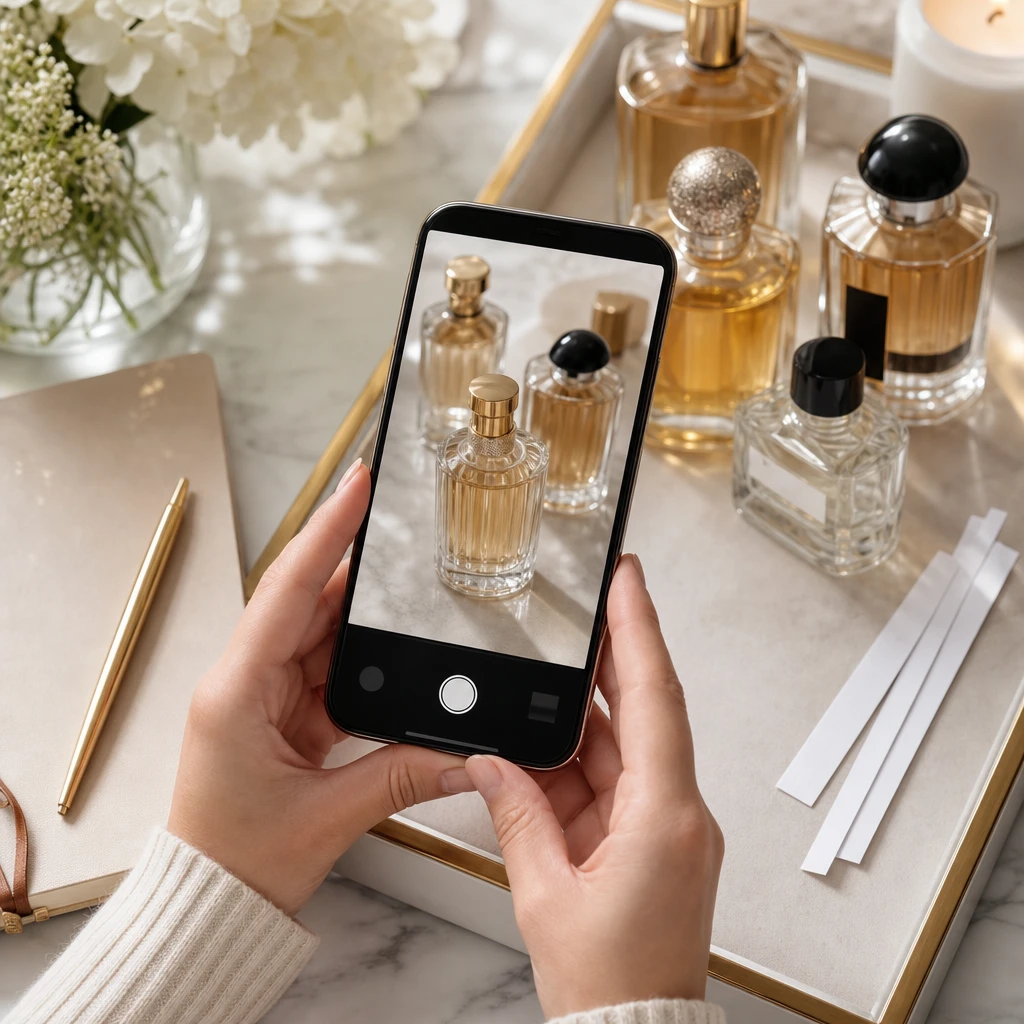
Perfume finder apps have leveled up fast: smarter AI, better bottle scans, and collection “vaults” that help you remember what you own (and what you actually love). Here’s what to look for in 2026—and how to choose the right app for your scent journey.
October 12, 2026
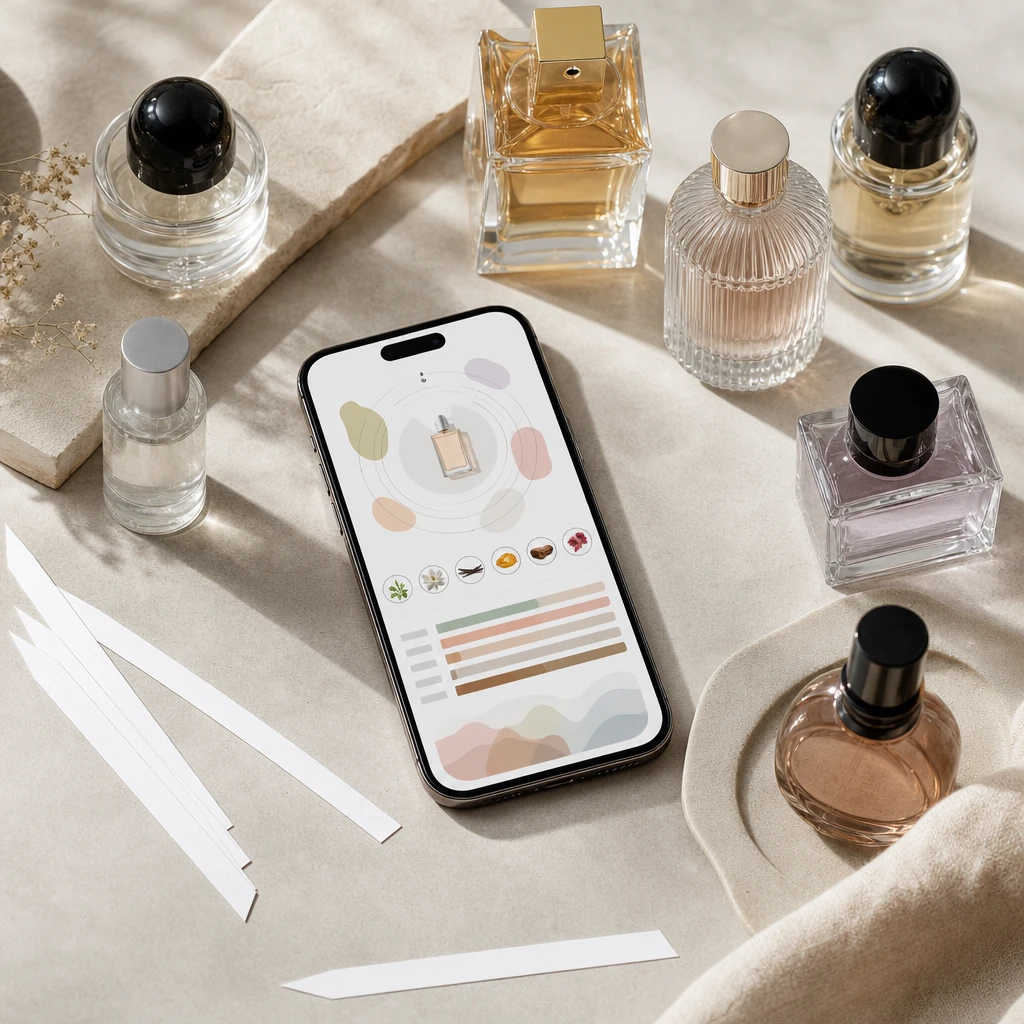
Finding a signature scent doesn’t have to mean buying a dozen discovery sets and hoping something clicks. Here’s a modern, realistic process—powered by a clear scent profile and smarter recommendations.
October 9, 2026
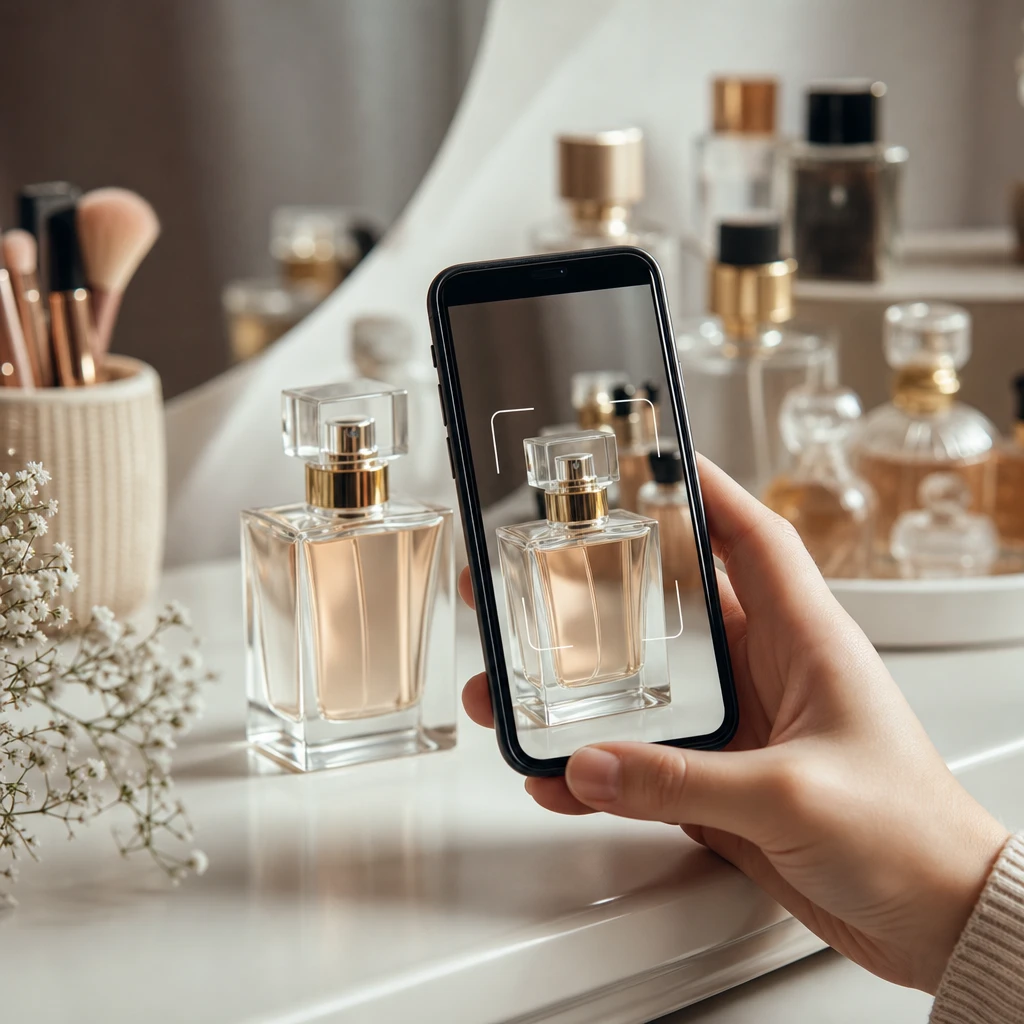
Trying to identify a perfume bottle from a photo? Here’s how perfume scanner apps work in 2026, how to scan bottles and labels for accurate matches, and how to fix the most common scan errors—especially when flankers and lookalike bottles confuse results.