
← Nose News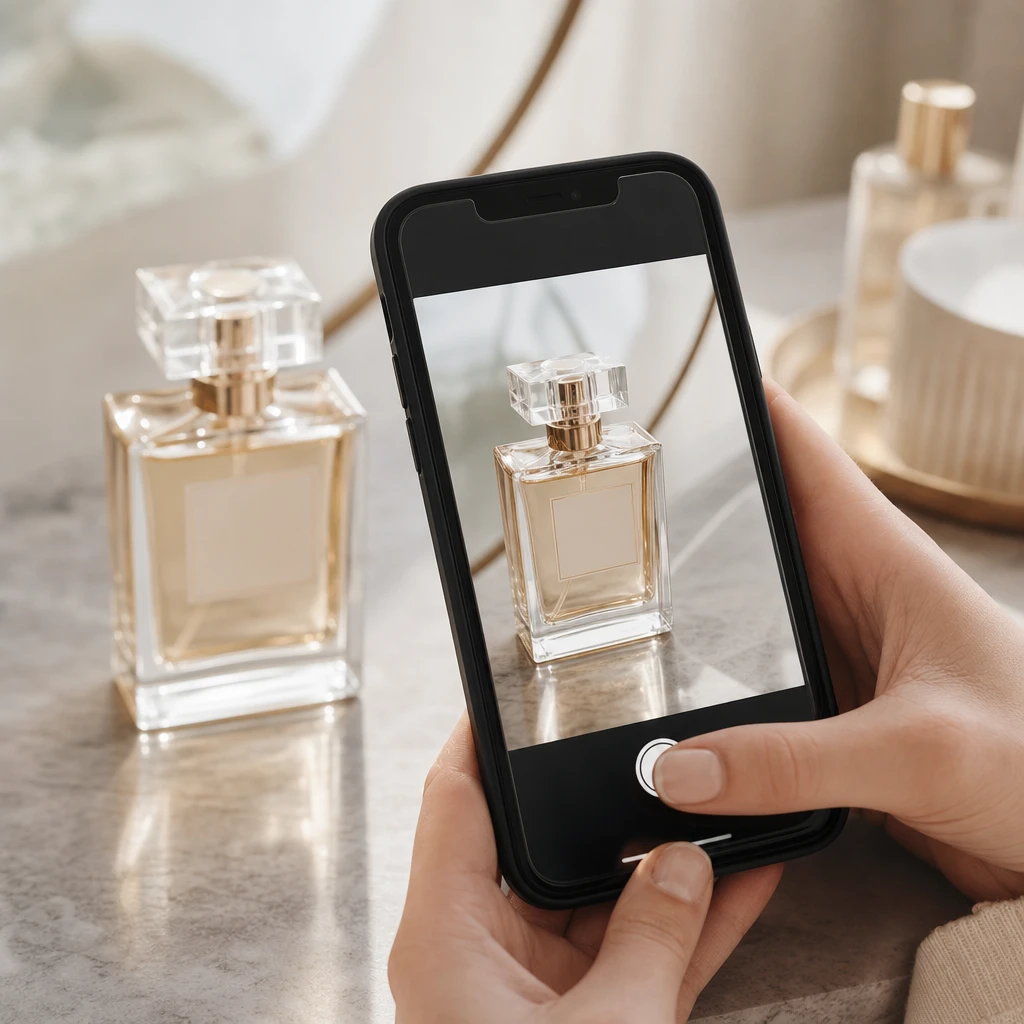
July 10, 2026
Perfume Bottle Scanner Guide: How to Identify a Fragrance From the Bottle (and Save It to a Vault)
July 10, 2026
Perfume discovery has changed fast. Many of us now find scents through social posts, decant swaps, department-store counters, and travel—then we forget the exact name, concentration, or flanker we tried. That’s where the new wave of perfume bottle scanner tools comes in.
Think of it as a practical, fragrance-specific search workflow: point your camera at a bottle, capture key label details, and match them to known listings. The best experiences go one step further by saving what you scanned into a fragrance vault so it’s searchable later—and so future recommendations can be based on what you actually own and enjoy.
At N.O.S.E. Notebook, we built our platform around that real-world behavior: discover, identify, save, learn, and refine your personal scent profile.
Most “identify perfume from bottle” tools rely on a combination of methods:
In practice, scanners work best when they can read at least two solid identifiers—usually brand + fragrance name. The more specific you get (for example, “Eau de Parfum” vs “Eau de Toilette,” or “Intense,” “Absolu,” “Elixir,” etc.), the fewer wrong matches you’ll see.
Fragrance packaging is beautiful—but not always scanner-friendly. Here’s what consistently improves accuracy.
Start with the bottle’s front where the name is printed. Aim for:
If the front is minimal (many luxury bottles are), the bottom sticker or outer box often includes:
A huge source of mix-ups is flanker confusion—the same core name with a modifier:
When scanning, make sure that modifier is readable. One missing word can turn the result into a different scent family.
A good scan is mostly about controlling glare and focus.
That last step—saving—is where the experience becomes more than a novelty. A scanner is helpful once; a vault becomes useful every day.
Even the best fragrance identifier app can struggle with certain bottle types. Here are the most common issues we see.
Problem: OCR can’t read mirrored or foil-stamped text.
Fix: Move to indirect light, tilt the bottle slightly, and take a second photo from a different angle.
Problem: The name is too small to capture sharply.
Fix: Step closer (without losing focus). If available, scan the bottom label or the box.
Problem: Results show several close matches.
Fix: Confirm with concentration, bottle shape, and any modifier words (Intense/Parfum/Elixir). If you can, add the house name exactly as shown.
Problem: Many decants don’t show a full label.
Fix: Scan the original bottle photo (from a store shelf or your camera roll) or save the scent manually and tag it as a decant.
The phrase “Shazam for perfume” is popular because it’s intuitive: hear a song, scan it, get the name. But fragrance is trickier than audio identification.
A practical fragrance workflow needs two layers:
A fragrance vault turns one-off scanning into a personal library. Over time it becomes:
“Personalized fragrance recommendations” often fall flat when they rely on broad preferences like “I like vanilla.” Vanilla can mean airy, boozy, milky, smoky, or spicy.
When you scan and save bottles—plus add quick reactions—recommendations can move from generic to specific:
In N.O.S.E. Notebook, the goal of scanning isn’t just naming—it’s building a personal scent profile that gets better with every entry.
Once the scanner finds a match, take 30 seconds to store the information that matters.
Those notes are what turn a list of bottles into a usable map of taste.
There are times identification is genuinely hard:
In these cases, treat scanning as the first pass. Cross-check with:
A good catalog should allow updates, so your vault stays accurate as you learn more.
A perfume bottle scanner is the fastest way to identify a fragrance from the bottle—especially when you’re juggling flankers, concentrations, and new discoveries. The real unlock is pairing scanning with a fragrance vault and a living scent profile, so every find becomes usable knowledge: easier repurchases, better recommendations, and a clearer sense of your style.
N.O.S.E. Notebook brings scanning, identification, and personalized fragrance discovery into one place. When you’re ready to turn scattered scent moments into an organized collection—and smarter matches—reach out to the N.O.S.E. Notebook team or explore the platform online.
Find your next scent
Browse scent profiles, notes, and houses — or let the Scent Finder match you to a fragrance in four questions.
October 14, 2026
Perfume finder apps have leveled up fast: smarter AI, better bottle scans, and collection “vaults” that help you remember what you own (and what you actually love). Here’s what to look for in 2026—and how to choose the right app for your scent journey.
October 12, 2026
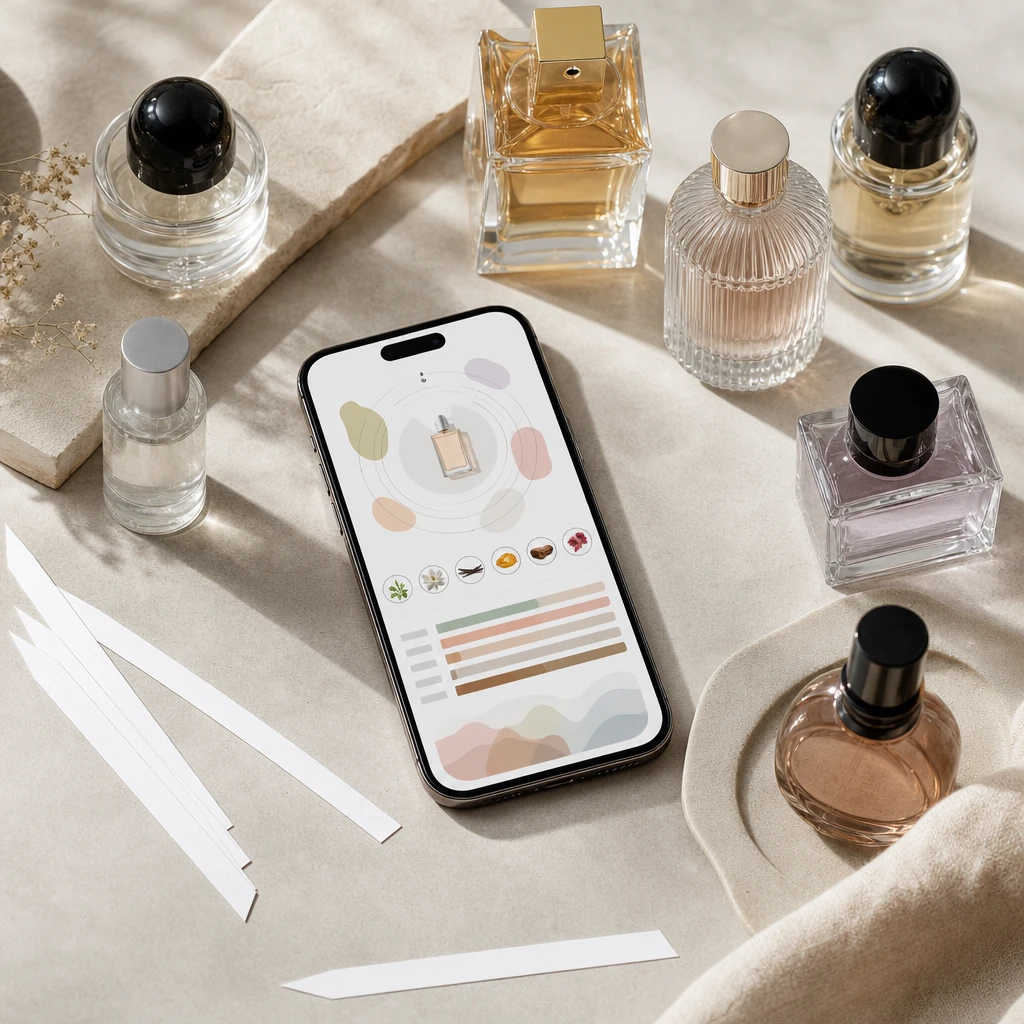
Finding a signature scent doesn’t have to mean buying a dozen discovery sets and hoping something clicks. Here’s a modern, realistic process—powered by a clear scent profile and smarter recommendations.
October 9, 2026
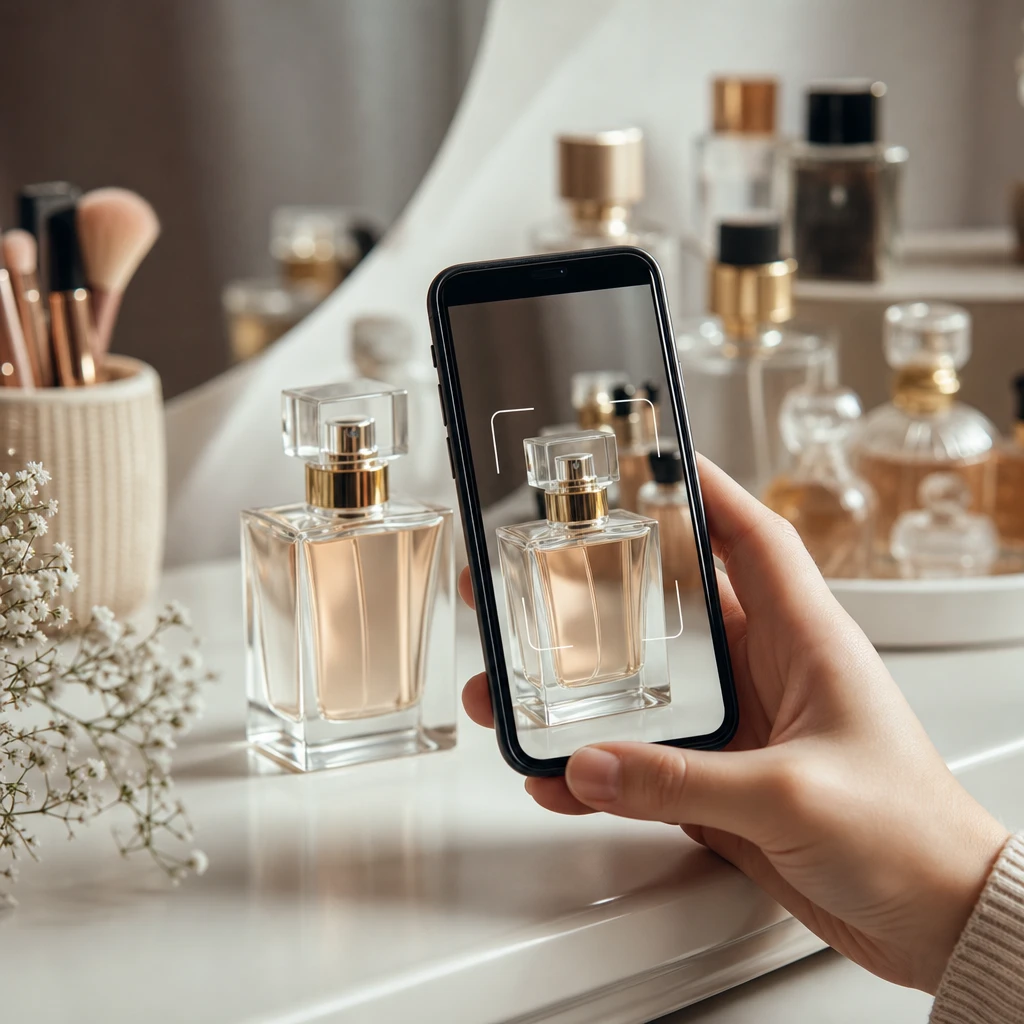
Trying to identify a perfume bottle from a photo? Here’s how perfume scanner apps work in 2026, how to scan bottles and labels for accurate matches, and how to fix the most common scan errors—especially when flankers and lookalike bottles confuse results.