
← Nose News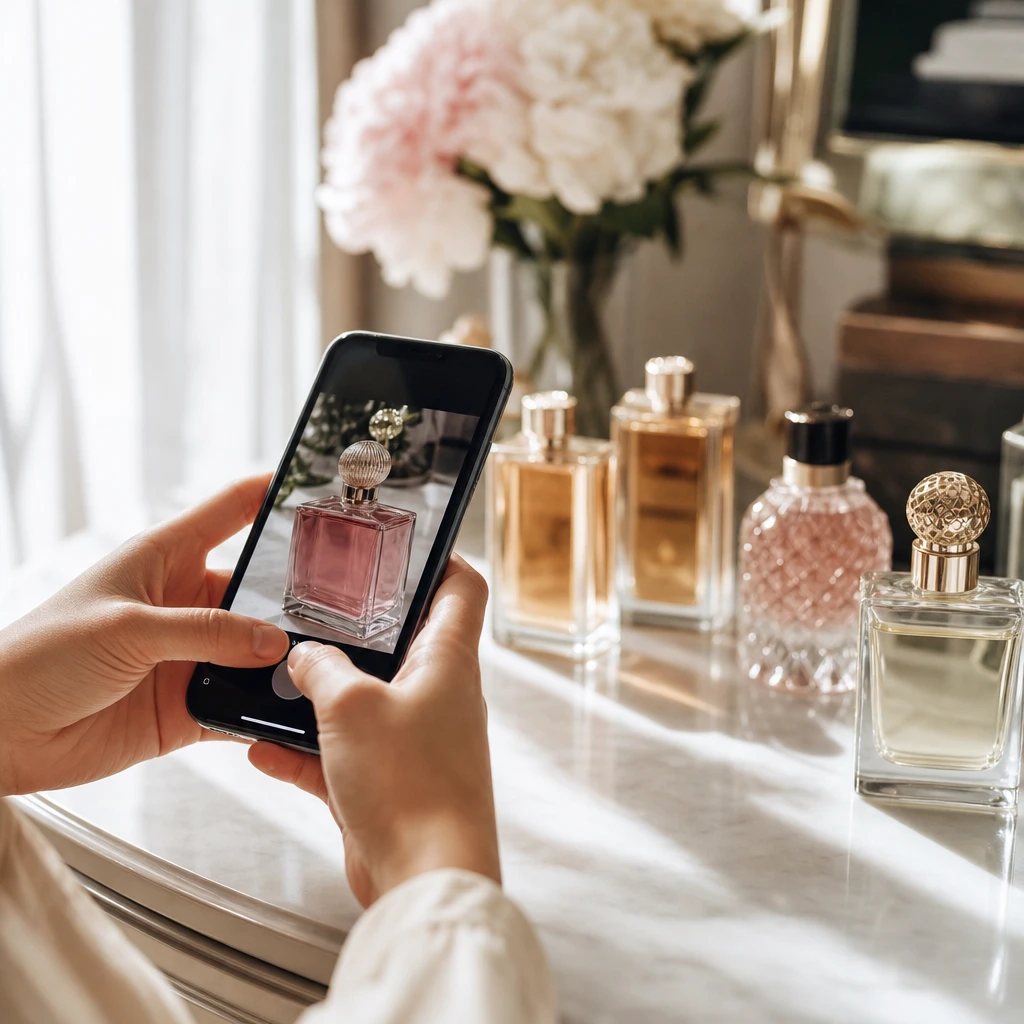
July 17, 2026
Perfume Scanner Apps: How to Identify a Fragrance Bottle From a Photo (and Avoid Mixing Up Flankers)
July 17, 2026
Perfume shopping has become increasingly visual: a bottle spotted in a friend’s bathroom, a screenshot from a video, a thrift find with a half‑peeled label. That’s why perfume scanner apps—tools that identify perfume by bottle or photo—are having a moment.
Used well, a scanner can help you:
But fragrance packaging is a moving target. Brands release new designs, limited editions, travel sizes, tester bottles, and—most confusingly—flankers. The best results come from scanning and verifying.
Most perfume identifier apps rely on a mix of:
Accuracy varies because:
A good scanner experience is less about a single “perfect match” and more about quickly narrowing the possibilities.
A flanker is a variation of an existing fragrance—often sharing a name plus a modifier (for example: “Intense,” “Elixir,” “L’Eau,” “Absolu,” “Parfum,” or a seasonal edition). Flankers can smell dramatically different from the original while looking almost identical on a shelf.
When scanning (or double‑checking after scanning), look for:
Even a small “Eau de Parfum” vs “Eau de Toilette” difference can change performance, note emphasis, and overall vibe.
If the goal is to identify perfume by photo, the image needs to give the app enough information to match correctly.
If you’re scanning a screenshot, zoom in and crop to the bottle—extra background elements can confuse recognition.
Scanner results are a starting point. Before buying (or cataloging), confirm the exact fragrance with three fast checks:
Look for EDT / EDP / Parfum / Extrait. These are often separate listings in databases and can smell different.
Brands may print a fragrance as:
That sounds minor, but it helps distinguish similarly named lines.
Match what you see to product photos from reputable retailers or the brand’s own imagery:
If your scan returns two close options, the cap and the tiny “extra word” on the label usually resolve it.
Sometimes the bottle is too generic, the photo is imperfect, or the fragrance is discontinued. When that happens, a scent‑profile approach narrows the field quickly.
Useful context to record alongside the photo:
At N.O.S.E. Notebook, this is exactly why we pair bottle scanning & identification with a personal scent profile—because the “right” identification is the one that matches both the bottle and the experience.
Not all perfume scanner apps are built the same. For fragrance lovers—collectors and newcomers alike—these features make the biggest difference:
The most helpful apps provide:
Identification is only half the win. The real value is being able to:
The best discovery tools connect identification to AI fragrance recommendations, so a scan can lead to:
Our view: scanning is the doorway, not the destination.
A typical high‑success workflow looks like this:
This approach works equally well for someone cataloging a 60‑bottle collection and for someone trying to identify the first perfume they ever loved.
Perfume scanner apps are an excellent shortcut for identifying a bottle from a photo—especially when you take a clean label shot and verify the concentration and naming. The biggest pitfall is flanker confusion, but a few visual checks (and a saved record in a fragrance vault) prevent most mistakes.
For anyone building a smarter, more personal fragrance wardrobe, N.O.S.E. Notebook brings scanning, identification, scent profiling, and AI‑powered discovery together in one place. When the next mystery bottle shows up, our team is here to help turn the find into a confident match.
Find your next scent
Browse scent profiles, notes, and houses — or let the Scent Finder match you to a fragrance in four questions.
October 14, 2026
Perfume finder apps have leveled up fast: smarter AI, better bottle scans, and collection “vaults” that help you remember what you own (and what you actually love). Here’s what to look for in 2026—and how to choose the right app for your scent journey.
October 12, 2026
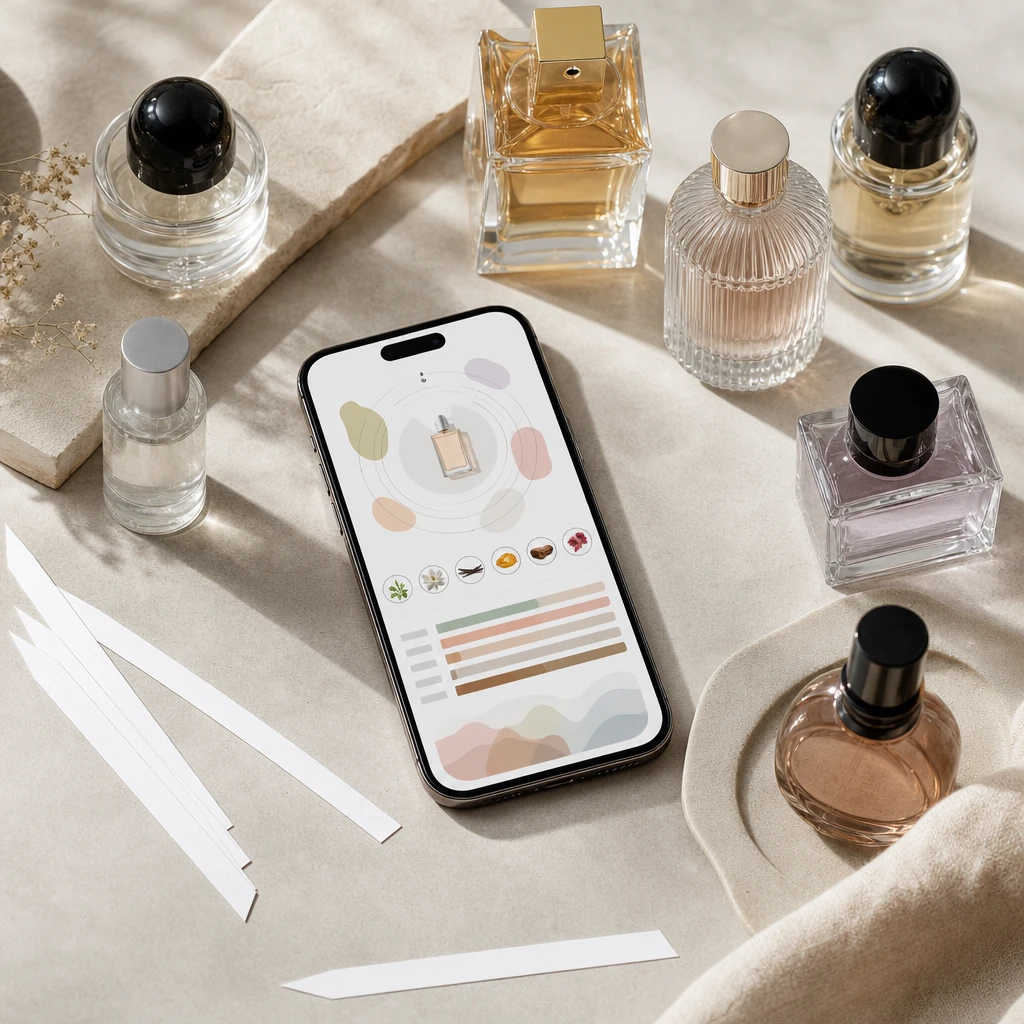
Finding a signature scent doesn’t have to mean buying a dozen discovery sets and hoping something clicks. Here’s a modern, realistic process—powered by a clear scent profile and smarter recommendations.
October 9, 2026
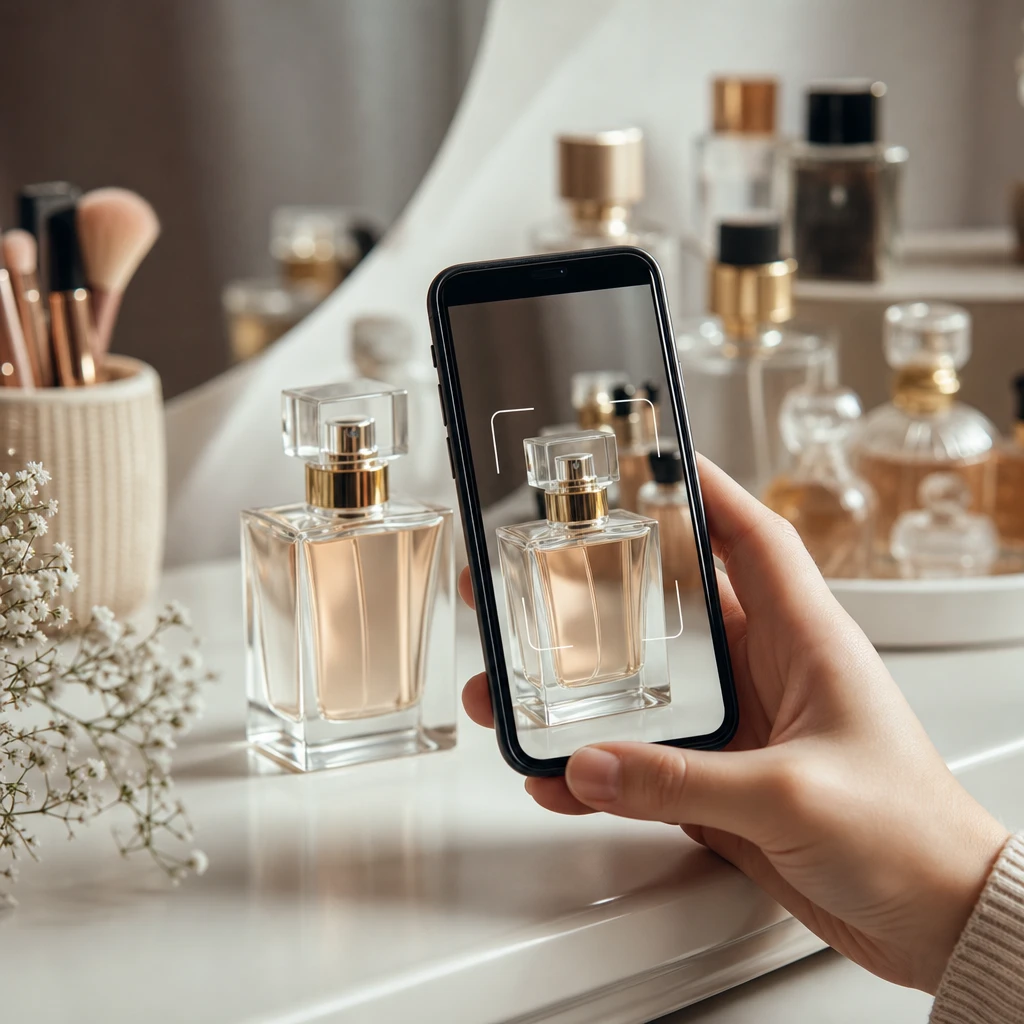
Trying to identify a perfume bottle from a photo? Here’s how perfume scanner apps work in 2026, how to scan bottles and labels for accurate matches, and how to fix the most common scan errors—especially when flankers and lookalike bottles confuse results.