
← Nose News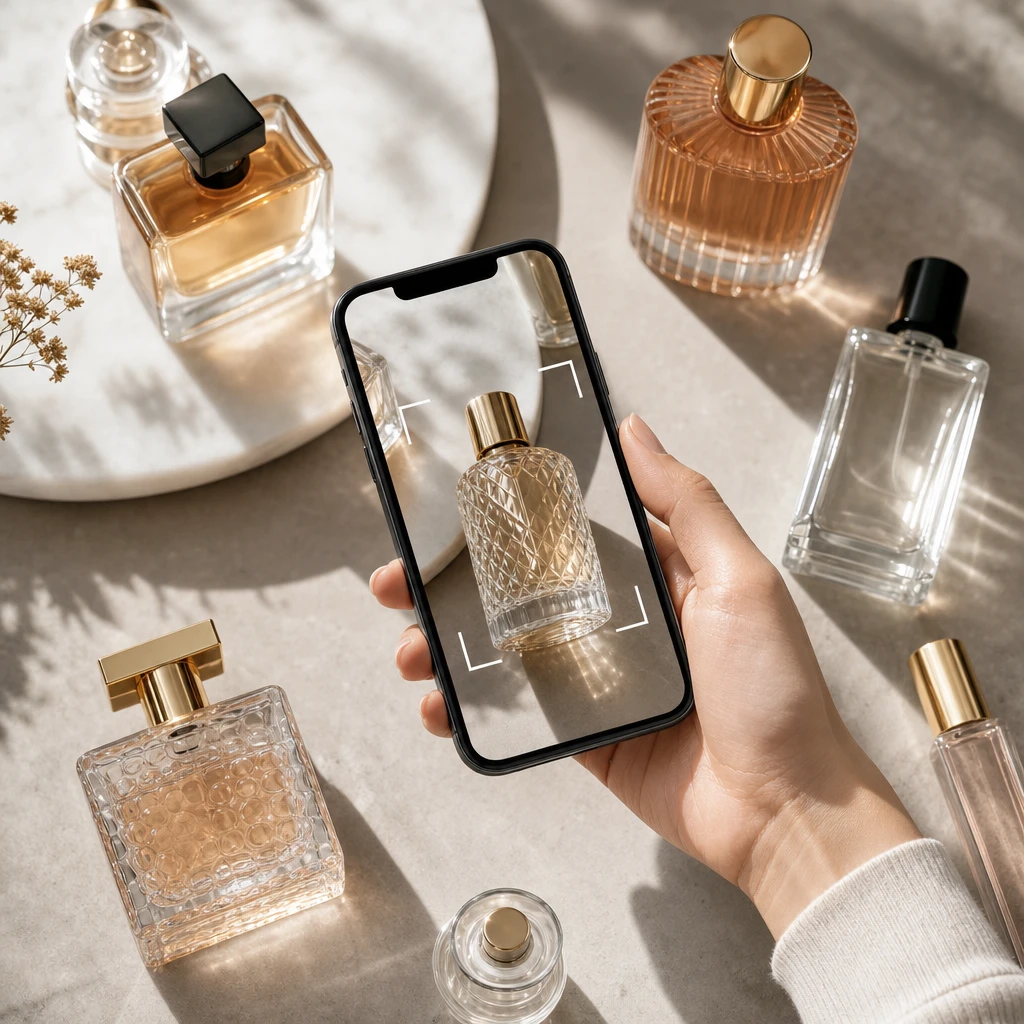
August 10, 2026
Best Perfume Scanner Apps in 2026 (and How to Scan a Bottle Correctly to ID a Fragrance Fast)
August 10, 2026
“Scan a bottle, instantly know the fragrance” has moved from gimmick to genuinely useful—especially for popular designer bottles, bestsellers, and widely photographed releases. In 2026, a good perfume scanner app can often identify a scent from a clear photo of the front label or bottle shape, then pull up the fragrance name, brand, concentration (EDT/EDP/Parfum), and sometimes even note breakdowns.
But it’s important to set expectations. Even the best perfume identifier app is doing a form of visual matching (and sometimes text recognition). That means accuracy depends heavily on what the camera can see and what the app’s database already contains. The good news: a few scanning habits can dramatically improve results—especially for niche, older bottles, flankers that look alike, or travel sizes with tiny labels.
Most “perfume bottle scanner” apps advertise similar promises. In practice, the best ones share a few qualities that matter in day-to-day use.
First, the database has to be deep and regularly updated. A scanner is only as good as the catalog behind it—especially with frequent flanker releases and limited editions.
Second, the app should handle near-duplicates well. Many brands reuse bottle shapes and label layouts across multiple concentrations or years. The difference between Eau de Toilette and Eau de Parfum (or a specific flanker) can be one line of text or a subtle color shift.
Third, look for verification tools beyond “one guessed match.” The fastest way to correct an almost-right match is to compare against:
Finally, the app should help after identification—because the real value is what happens next: saving the scent, logging wear, tracking decants, building a wishlist, and getting recommendations based on what’s already in the collection.
There are several routes to “identify perfume by photo” in 2026. Each has a different strength depending on whether the goal is quick ID, collection management, or deeper discovery.
N.O.S.E. Notebook is built for people who don’t just want a name—they want a living record of their scent life. Our scanner focuses on getting from bottle photo to correct fragrance entry quickly, then turning that ID into something useful: a saved bottle in a personal fragrance vault, linked to preferences and future recommendations.
Where it shines:
This is the best fit for enthusiasts (and curious newcomers) who frequently test in stores, buy discovery sets, or rotate seasonally.
Some apps are purpose-built as a perfume identifier app and market “scan perfume bottle” as the primary feature (you’ll see these prominently in app stores in 2026). They can be convenient for fast, on-the-go recognition—especially with mainstream bottles that have lots of reference images online.
Best for:
Trade-off:
Visual search through major search engines can still work well for identifying a bottle shape or label—particularly if the fragrance is popular and photographed consistently.
Best for:
Trade-off:
Most misidentifications come down to photo quality and missing information. The goal is to capture what the algorithm needs to distinguish near-twins.
Clean the bottle (quick wipe with a soft cloth) and photograph the front straight-on. Avoid artistic angles. If the label has reflective foil, tilt slightly until glare disappears—then shoot.
A strong scan photo usually has:
Caps are often a key differentiator between flankers. A cropped photo that only shows the glass can confuse matches, especially for brands that reuse bottle molds.
Flash creates hot spots and glare on glass. Indirect daylight near a window is ideal. If indoors, use a lamp that casts even light and move the bottle away from harsh shadows.
If the first scan returns multiple options, the bottom label can quickly confirm the right one. Many bottles include:
Batch codes can be useful for verifying that a bottle is real and for estimating production timing, but they’re not always necessary for identification. Use them as a tie-breaker when two listings look nearly identical.
Important: batch codes vary widely by brand and can be faint, etched, or printed on the box instead of the bottle. If the code is hard to read, photograph it close-up in good light rather than guessing.
It sounds obvious, but a frosted bottle with smudges can blur label edges enough to derail a match. A quick wipe improves accuracy more than most people expect.
Even with a perfect scan, there are a few repeat offenders in perfume identification.
Flankers that share the same name. “Intense,” “L’Elixir,” “Absolu,” “Extreme,” and seasonal editions often look similar. Always confirm the concentration and any secondary text.
Miniatures and travel sprays. The label may omit key words that appear on the full-size bottle. If possible, scan the box or a product card from a discovery set.
Reformulations and bottle redesigns. A 2012 bottle and a 2024 bottle may share a name but differ in packaging. If an app offers multiple entries, choose the one that matches the bottle era.
Counterfeit lookalikes. Scanners identify what the label resembles; they cannot certify authenticity. If something feels off—misspellings, uneven printing, a cap that doesn’t fit cleanly—verify through reputable retailers and brand references.
Scanning is the moment of discovery; cataloging is what turns discovery into a collection. Most fragrance lovers can name a handful of bottles off the top of their head, but the real story is in the “in-between”: decants, samples, gifts, travel sprays, and the ones tested on skin and forgotten.
A fragrance vault helps keep that story straight. When bottles are saved in one place, it becomes easier to:
At N.O.S.E. Notebook, we designed scanning to feed directly into that vault—so “What is this?” becomes “Do I like this, when do I wear it, and what should I try next?”
The best perfume scanner apps in 2026 are genuinely useful—especially when scans are done with clear, glare-free label photos and a quick second shot of the bottom sticker or packaging. If the goal is more than a one-time ID, choose a tool that turns identification into organization and discovery.
N.O.S.E. Notebook brings those pieces together: bottle scanning and identification, a personal scent profile, and a fragrance vault that makes it easy to track what’s loved, what’s still being tested, and what to explore next. For anyone building a scent wardrobe online across the United States, it’s a practical way to make every in-store spritz and sample set count.
Find your next scent
Browse scent profiles, notes, and houses — or let the Scent Finder match you to a fragrance in four questions.
October 14, 2026
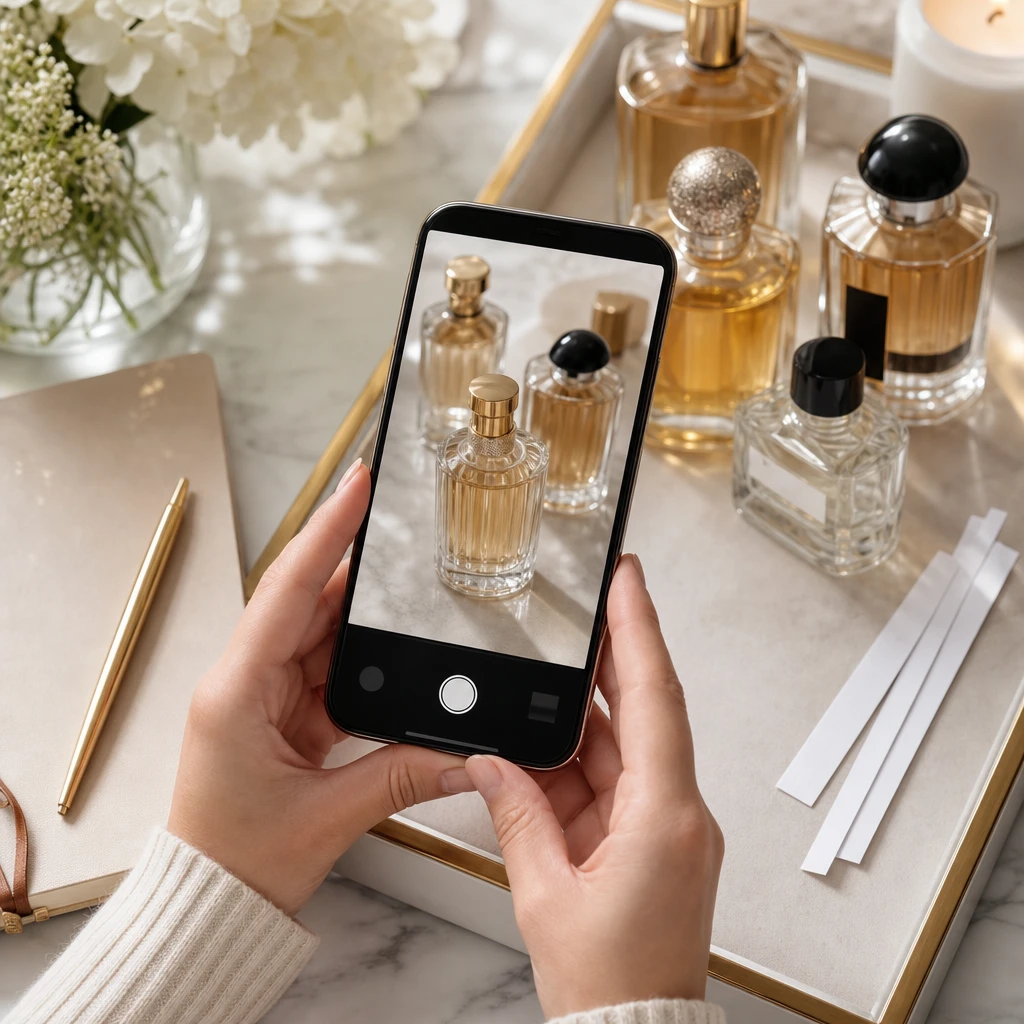
Perfume finder apps have leveled up fast: smarter AI, better bottle scans, and collection “vaults” that help you remember what you own (and what you actually love). Here’s what to look for in 2026—and how to choose the right app for your scent journey.
October 12, 2026
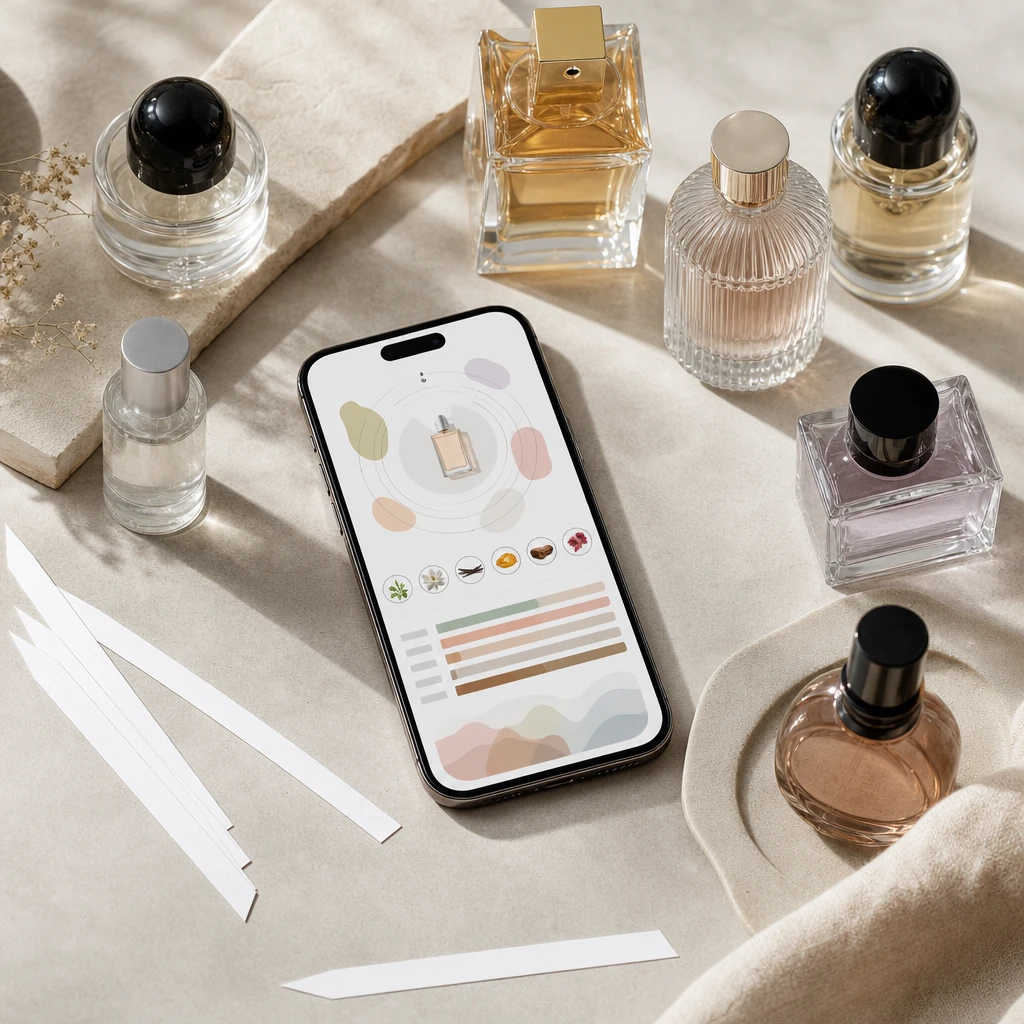
Finding a signature scent doesn’t have to mean buying a dozen discovery sets and hoping something clicks. Here’s a modern, realistic process—powered by a clear scent profile and smarter recommendations.
October 9, 2026
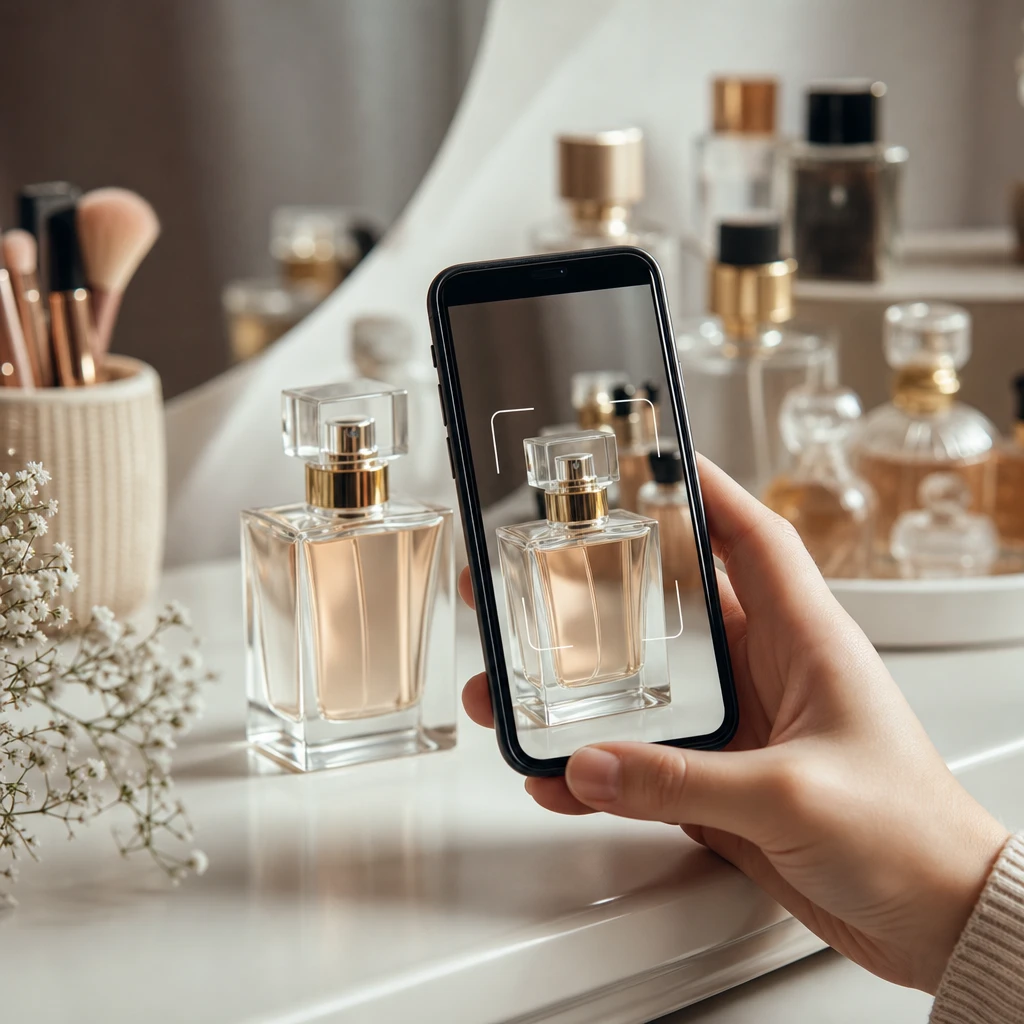
Trying to identify a perfume bottle from a photo? Here’s how perfume scanner apps work in 2026, how to scan bottles and labels for accurate matches, and how to fix the most common scan errors—especially when flankers and lookalike bottles confuse results.