
← Nose News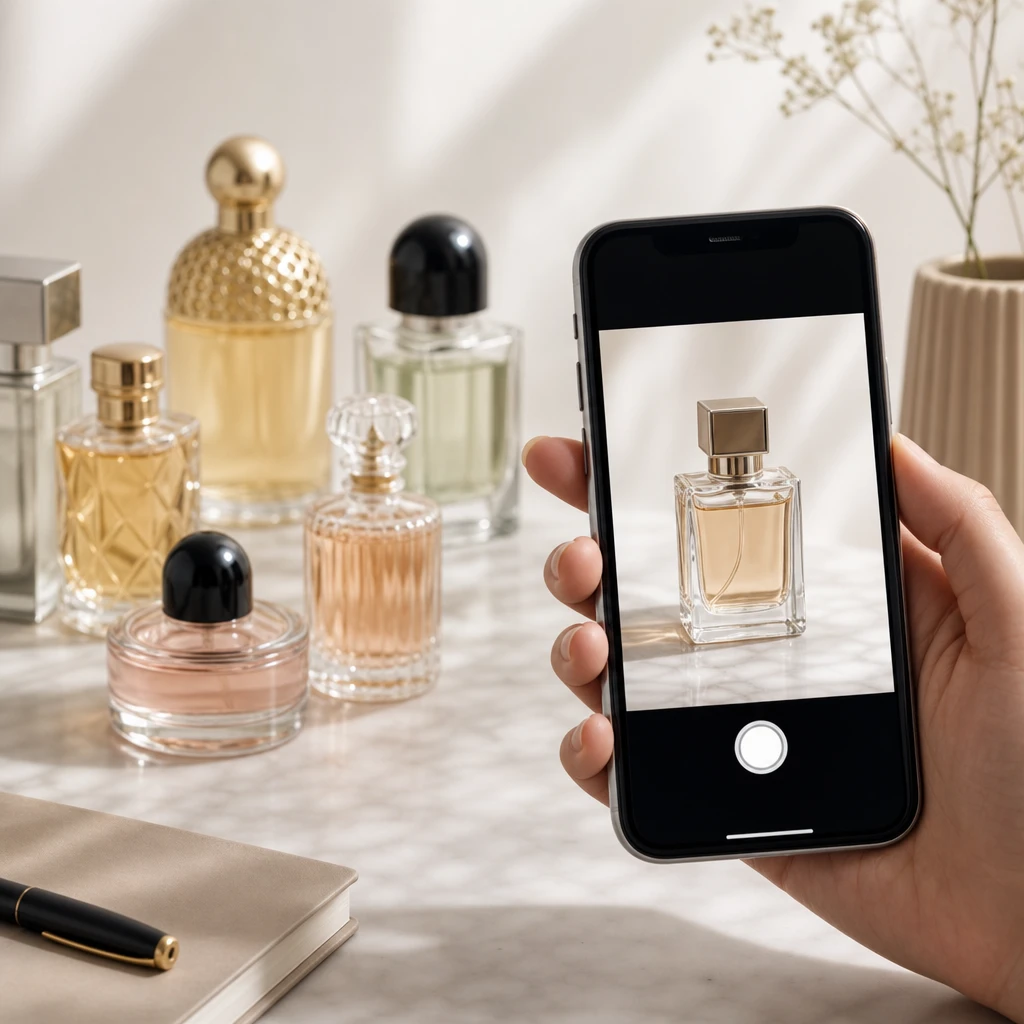
July 20, 2026
How to Identify a Perfume From a Photo (Bottle Scan): What Works, What Doesn’t, and How to Catalog Your Finds
July 20, 2026
If fragrance is having a cultural moment, the side effect is a familiar scenario: a bottle spotted on a vanity, a photo saved from a resale listing, a mini discovered in a travel bag—then the question hits: what perfume is this?
Search interest in perfume identification has grown alongside the rise of “scent-tok,” decant culture, and secondary marketplaces. And yes, there are now tools that can identify a fragrance from a bottle photo—but results vary widely depending on the image, the bottle, and how the brand designed its packaging.
At N.O.S.E. Notebook, we focus on making discovery more accurate and less wasteful. Identification is step one; step two is building a reliable record of what has been smelled, loved, disliked, and why. That combination is how better recommendations happen.
Bottle scanning works best when the fragrance has distinctive, consistent packaging and the photo captures the details that visually differentiate it.
A scan is a strong starting point—but the best outcomes come from combining the photo with a few confirming details.
Most “wrong ID” results are caused by photo issues, not the technology. When capturing an image for identification, aim for clarity and distinguishing details.
Natural window light is ideal. Avoid harsh overhead glare that blows out the label or reflects the room.
Identification tools need bottle details. Too much background reduces accuracy.
If the bottle has a base sticker, it may include:
That single image often resolves confusion between similarly packaged versions.
Fix: If the original bottle isn’t available, scan the brand’s box or any printed card that came with the sample. If neither exists, identification becomes a “scent-profile + notes” problem rather than a photo problem.
Fix: Take 2–4 photos, change the angle slightly, and retake until text is readable.
Many lines share a bottle but differ by a small subtitle (for example, “Intense,” “L’Elixir,” “Absolu,” “EDP,” “Parfum”).
Fix: Capture the entire label area and, if needed, the box front.
Refillable bottles are increasingly common; some older bottles in circulation have mismatched caps or labels.
Fix: Cross-check with the base label or box barcode, then confirm by scent notes.
When an app or scanner returns a match, do a quick verification—especially if money is involved.
If two candidates look plausible, notes and concentration typically break the tie.
Once a bottle is identified, most people stop there—then repeat the same guessing game months later with samples, decants, and half-remembered likes.
A fragrance vault solves the next problem: keeping a clean record of what has actually been tried. That matters because:
In other words: identification is the entry point to personalized perfume recommendations that improve over time.
A good vault doesn’t need to be complicated. It needs to be consistent.
This structure keeps the vault useful for both enthusiasts and newcomers—and it creates a reliable foundation for AI fragrance recommendations that aren’t just trend-based, but preference-based.
Sometimes the bottle is too generic, the label is gone, or the scent is in an unmarked atomizer. In those cases, the fastest path to a match is to switch from “visual ID” to “sensory ID.”
Even a short description can narrow the search dramatically—especially if it’s paired with any clue about where it was found (department store, niche boutique, subscription sample, etc.).
Trend lists can be fun, but blind buys are expensive—especially in niche and luxury categories. The most reliable “buy with confidence” approach combines:
That’s the workflow we build at N.O.S.E. Notebook: scan, verify, vault, and use preference data to discover what’s next.
Identifying a perfume from a photo is absolutely possible—when the image captures the right details and the result is verified with a few quick checks. The bigger win is what happens after identification: logging the fragrance in a vault with simple wear notes so future recommendations become more precise and blind buys become rarer.
For anyone building a collection (or simply trying to remember the best thing they smelled last month), N.O.S.E. Notebook is designed to turn those “what is this bottle?” moments into an organized fragrance library and smarter, more personal discovery. Reach out to the team to explore bottle scanning, scent profiling, and fragrance vaulting online across the United States.
Find your next scent
Browse scent profiles, notes, and houses — or let the Scent Finder match you to a fragrance in four questions.
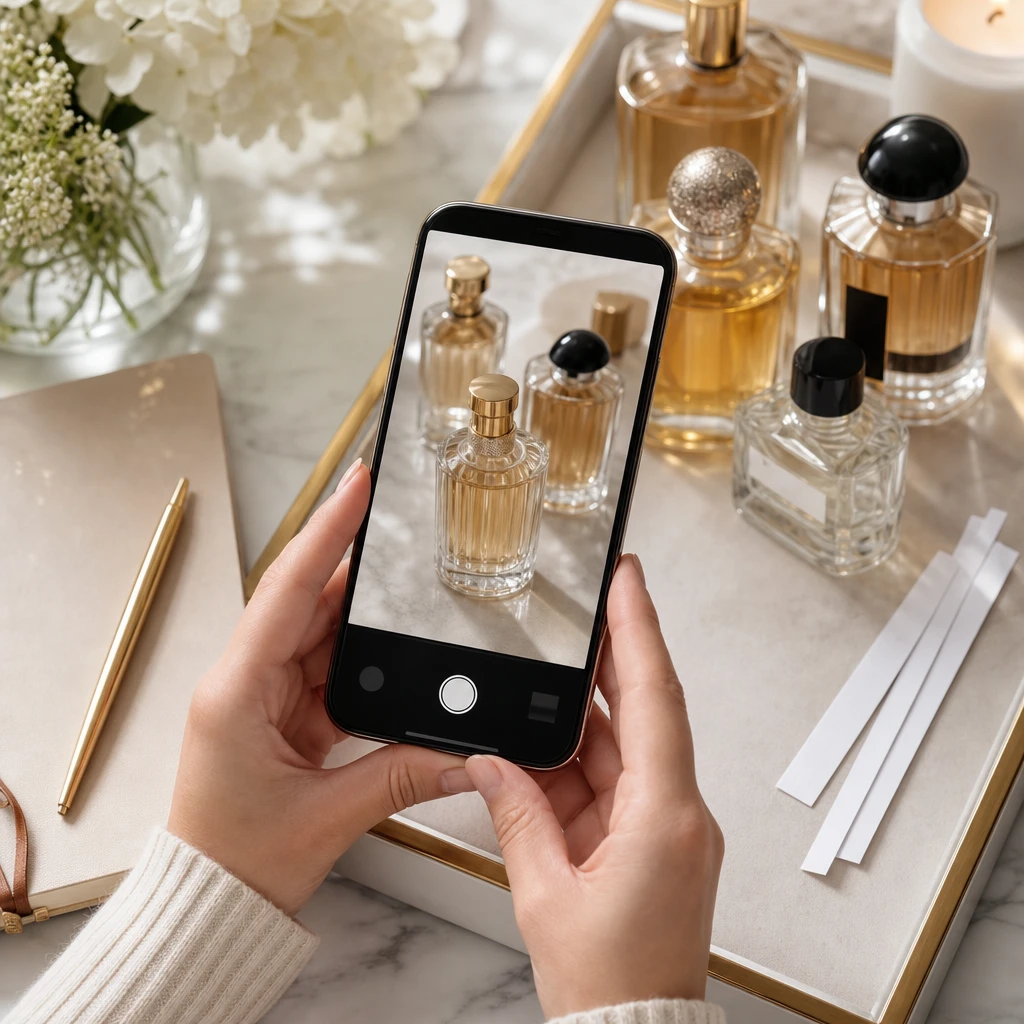
October 14, 2026
Perfume finder apps have leveled up fast: smarter AI, better bottle scans, and collection “vaults” that help you remember what you own (and what you actually love). Here’s what to look for in 2026—and how to choose the right app for your scent journey.
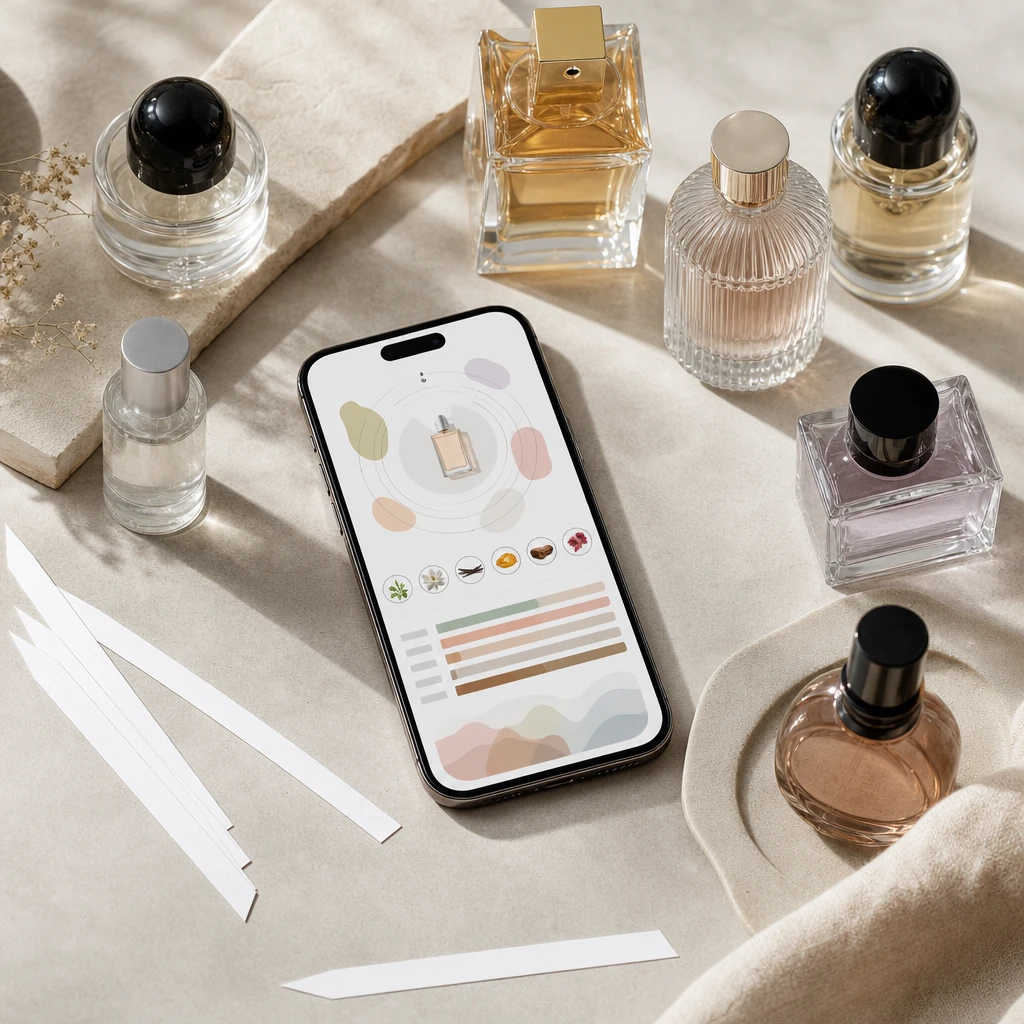
October 12, 2026
Finding a signature scent doesn’t have to mean buying a dozen discovery sets and hoping something clicks. Here’s a modern, realistic process—powered by a clear scent profile and smarter recommendations.
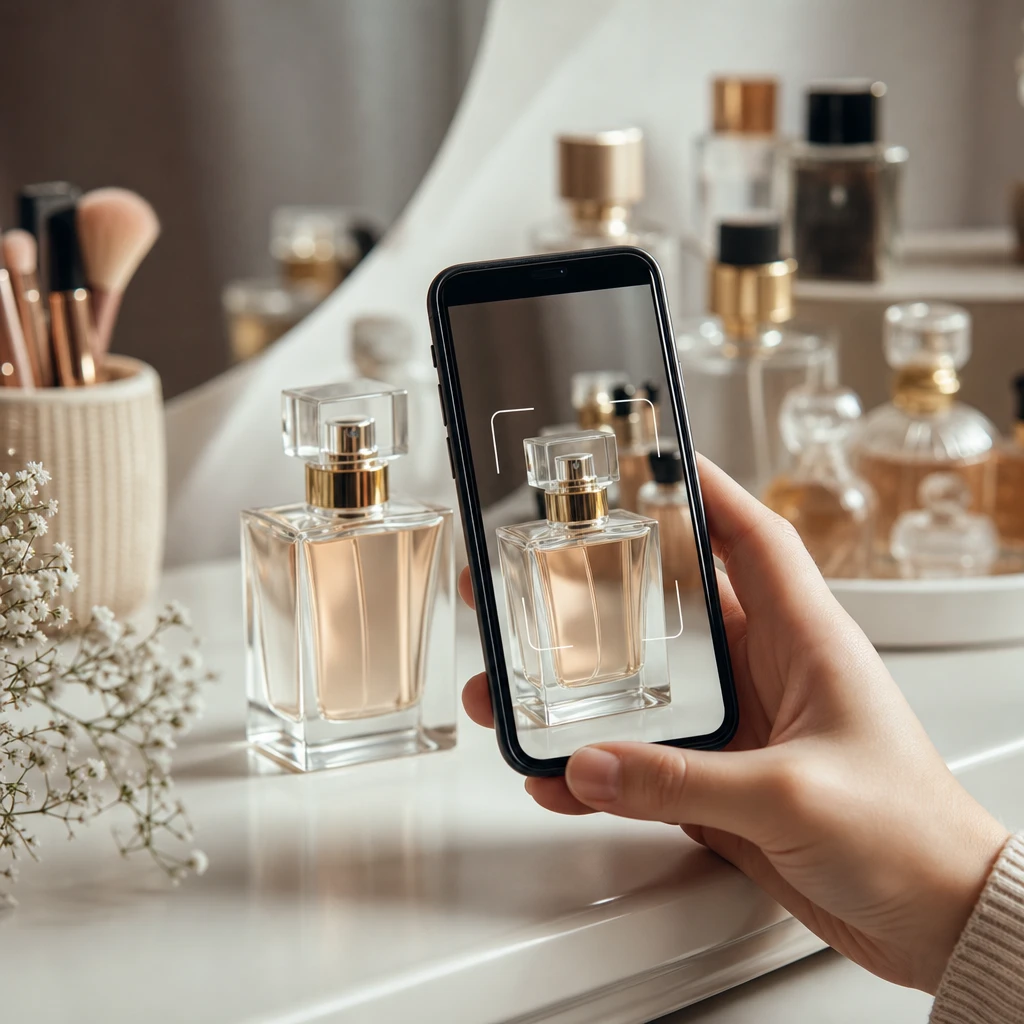
October 9, 2026
Trying to identify a perfume bottle from a photo? Here’s how perfume scanner apps work in 2026, how to scan bottles and labels for accurate matches, and how to fix the most common scan errors—especially when flankers and lookalike bottles confuse results.