
← Nose News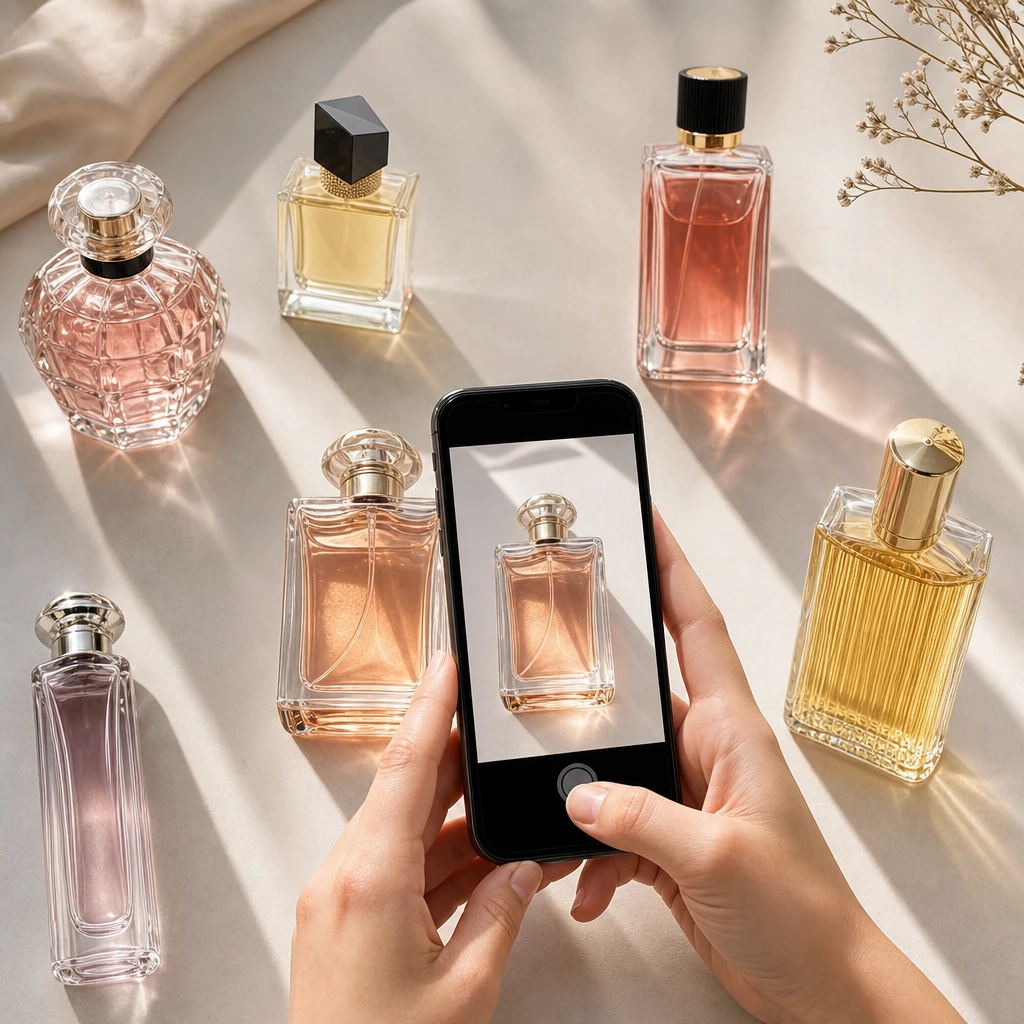
July 8, 2026
Best Ways to Identify a Perfume From a Photo (2026): Bottle Scan Tips + What to Do Next
July 8, 2026
Perfume is more discoverable than ever—through TikTok “sillage trails,” resale finds, decants, travel sprays, and gifts where the box is long gone. That’s why bottle-scan and “identify perfume from photo” searches have become high-intent: the goal isn’t just curiosity. Most people want the exact name so they can rebuy it, learn the notes, or find scents that smell similar.
At N.O.S.E. Notebook, we built our workflow around what happens after identification: once a bottle is recognized, it should be easy to save it, organize it, and use it to power smarter recommendations.
AI bottle scanning works best when the image gives it multiple “anchors.” Before uploading, take 20 seconds to capture a few angles.
Aim for these shots:
Quick photo tips that improve results:
These steps matter because many fragrances share family resemblances: the difference between “Eau de Parfum” and “Eau de Toilette,” or between an original and a flanker, can be a small line of text or a subtle cap change.
A dedicated perfume bottle scanner or AI perfume identifier is typically the quickest way to go from “mystery bottle” to a confident match. In 2026, these tools are being actively marketed and compared, and they’ve improved significantly at recognizing:
Where scanners can struggle:
When the scan returns multiple matches, don’t assume the top result is correct—treat it like a shortlist and validate with the steps below.
Many “wrong perfume” situations are actually “right brand, wrong version.” Before saving or buying, confirm three details.
1) Concentration
Look for Parfum / Extrait, EDP, EDT, Cologne, or Elixir. The same name across concentrations can smell noticeably different.
2) Flanker name
Brands release variations like Intense, Absolu, L’Eau, Nuit, Rose, Sport, or Summer editions. A scan might recognize the brand but miss the flanker if the photo cuts off the subtitle.
3) Approximate release era
Bottle and label designs evolve. If the bottle looks “older” than the listing you’re seeing online, you may be looking at a reformulation or a redesigned presentation.
If a bottle scan is inconclusive, the bottom label is often the tie-breaker. Look for:
Batch codes are especially useful for verifying that the bottle is real and for estimating production date. Not every brand uses the same format, and codes can be faint, but even partial characters can help narrow down a match.
When there’s no recognizable bottle—common with decants, travel sprays, and samples—the best path is scent-based identification.
Write down first impressions (it takes 60 seconds):
This mini “scent fingerprint” helps an AI recommender (and your own future self) triangulate likely matches and, just as importantly, find close alternatives when the exact ID isn’t possible.
A few patterns cause most misidentifications:
The fix is simple: pair a scan with at least one secondary confirmation—bottom label, concentration text, or a note breakdown.
Identification is only the first win. The real payoff is building a personal system that keeps discoveries from disappearing into camera roll chaos.
At N.O.S.E. Notebook, we focus on three next steps:
1) Save it to a personal fragrance vault
A good vault does more than list bottles. It should let you store:
2) Build a scent profile from real behavior
The most useful recommendations come from patterns:
3) Generate “similar but not the same” matches
Most people don’t want clones—they want the vibe with a twist:
Once an identified bottle is in your vault, it becomes a strong reference point for discovery across niche, designer, and luxury catalogs.
For a repeatable process, here’s the workflow we recommend:
This turns a one-off “what perfume is this?” moment into a growing map of your taste.
In 2026, identifying a perfume from a photo is faster than ever—but the best results come from pairing a good bottle scan with clear photos, a quick version check, and label-level confirmation. Once the fragrance is identified, saving it and using it to guide smarter recommendations is what keeps the discovery momentum going.
N.O.S.E. Notebook was built for exactly that: scan and identify, save to a personal fragrance vault, and discover what to try next based on your real preferences. For anyone building a collection—or just trying to name that one unforgettable scent—reach out to the N.O.S.E. Notebook team or explore the app to start capturing discoveries in one place.
Find your next scent
Browse scent profiles, notes, and houses — or let the Scent Finder match you to a fragrance in four questions.
October 14, 2026
Perfume finder apps have leveled up fast: smarter AI, better bottle scans, and collection “vaults” that help you remember what you own (and what you actually love). Here’s what to look for in 2026—and how to choose the right app for your scent journey.
October 12, 2026
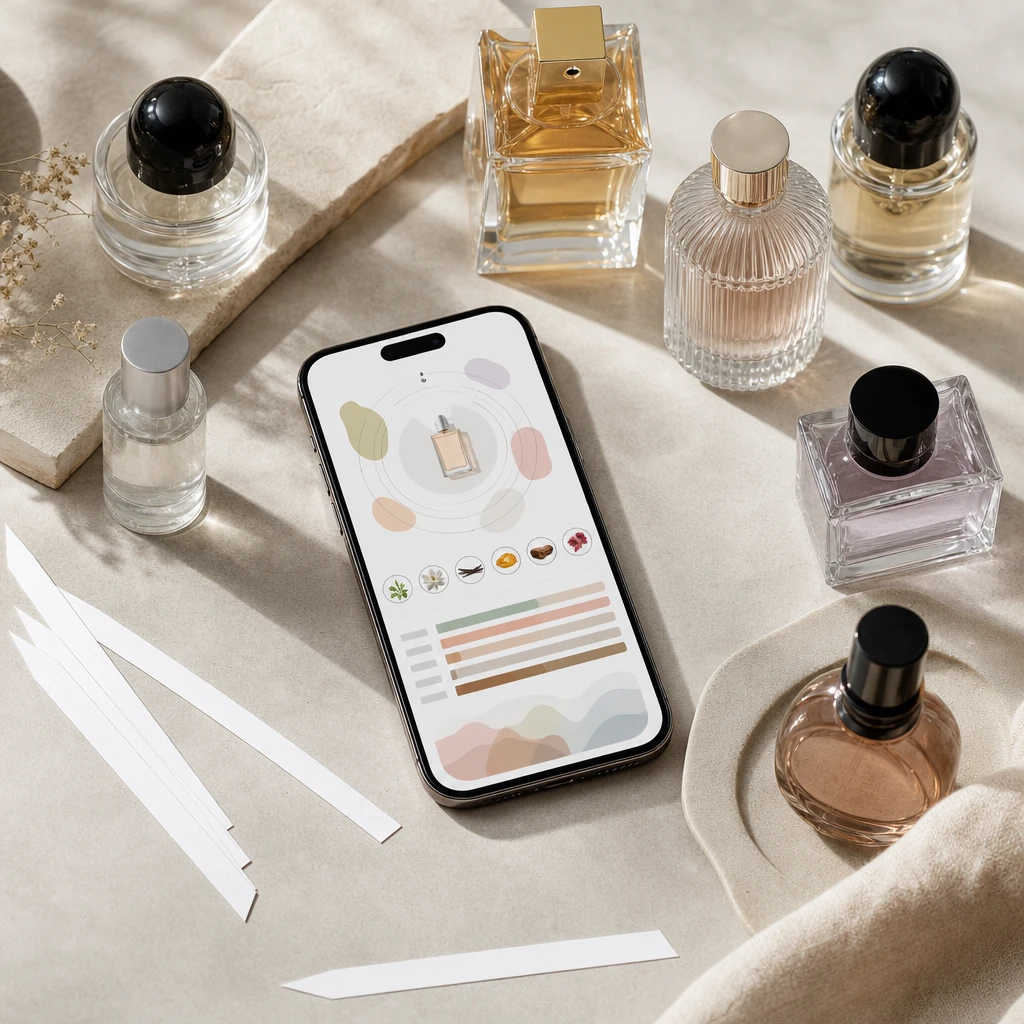
Finding a signature scent doesn’t have to mean buying a dozen discovery sets and hoping something clicks. Here’s a modern, realistic process—powered by a clear scent profile and smarter recommendations.
October 9, 2026
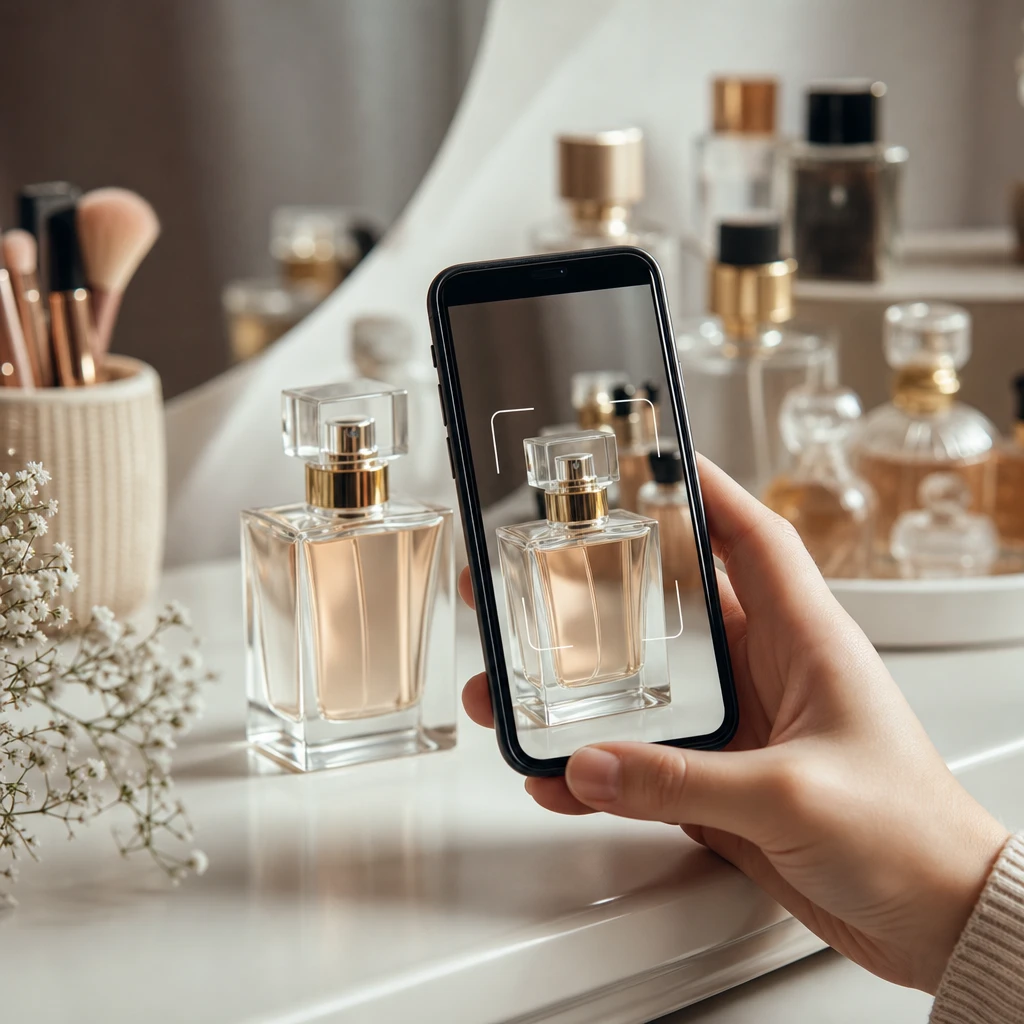
Trying to identify a perfume bottle from a photo? Here’s how perfume scanner apps work in 2026, how to scan bottles and labels for accurate matches, and how to fix the most common scan errors—especially when flankers and lookalike bottles confuse results.