
← Nose News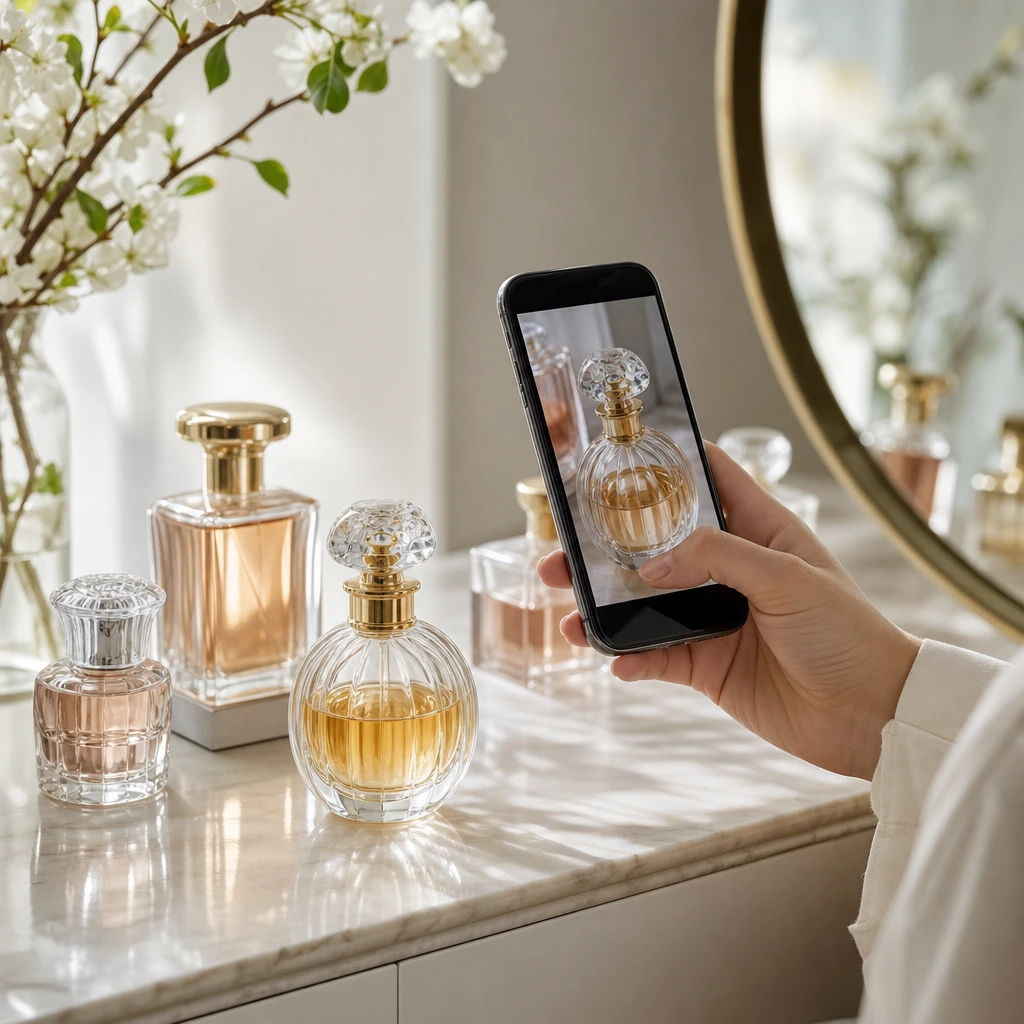
September 7, 2026
Perfume Scanner Apps (Fall 2026): How to Identify a Fragrance From a Bottle Photo—and Save It to a Vault
September 7, 2026
Perfume identification used to be a memory game: you’d recognize a bottle at a friend’s house, squint at a label in a department store, or try to recall a name from a fleeting sample. In 2026, it’s much more common to grab a quick photo and expect an instant answer.
A good perfume scanner app can get you surprisingly close—especially when the bottle is distinctive or the branding is clear. But fragrance packaging is also full of traps: limited editions, identical-looking flankers, tiny concentration text (EDT vs EDP), and brand redesigns that make last year’s bottle look “wrong.”
This guide breaks down how to identify a fragrance from a bottle photo more reliably, and how to save what you find into a personal fragrance vault so you don’t lose track of discoveries.
Most perfume identification tools work best when your image contains readable brand cues: the logo, product name, concentration line, and sometimes a batch code sticker. When those are present, identification can be fast.
Where scanners tend to struggle is with:
The best results usually come from pairing the scan with a few smart capture habits—think of it like photographing a driver’s license: angle, glare, and focus matter.
If you’ve ever scanned a bottle and gotten a “close but not quite” match, the photo is often the issue—not the app.
Perfume bottles are glossy, reflective, and often curved—exactly the kind of surface that causes blown-out highlights.
A quick trick: hold a white sheet of paper opposite the window to bounce light and reduce harsh reflections without increasing glare.
To identify perfume by bottle, scanners need crisp text and recognizable shapes.
Aim for:
If the bottle is rounded, take two front shots: one dead-center and one slightly angled, so at least one image has readable text.
Many fragrances share typography but differ in bottle geometry and cap design. Leaving some space around the bottle helps identification systems use those cues.
A quick wipe removes fingerprints that blur print and reflect light. It’s a small step that can turn a “maybe” match into a confident ID.
If you’ve ever scanned a bottle and thought, “That’s not my perfume,” there’s a good chance the app found the right family—but the wrong version.
Flankers often share:
To avoid mix-ups, look for these details before saving:
When in doubt, scanning the box can be more definitive than scanning the bottle.
People often search “EDT vs EDP” after realizing two bottles that look the same wear differently. Concentration doesn’t automatically mean “better,” but it does change how a fragrance tends to behave—so it’s crucial to log the right version.
In general terms:
For identification, the practical takeaway is simple: two concentrations of the same name are not interchangeable purchases. If you’re scanning to reorder, making sure the concentration is correct prevents “why doesn’t this smell like mine?” disappointment.
Even the best perfume identification app will occasionally return a near match. When that happens, treat the scan as a strong lead and confirm with a few quick checks.
Compare the bottle details: cap, label spacing, and any embossing.
Check size markings: 50 ml vs 100 ml isn’t the issue, but the location of size text can help confirm which product photo set you’re looking at.
Look for concentration on the bottle bottom: many brands print “EDP” or “EDT” there.
Search the exact wording you can read: even one extra word (“Intense,” “Légère,” “Absolu”) can be decisive.
If you’re trying to identify something from a dim restaurant photo or a vanity shot where the label is partially blocked, taking a second image in better light often solves it.
Identification is only half the win. The bigger value comes later, when you want to:
A fragrance vault turns a one-time scan into a growing personal library. Over time, that record becomes a true “scent profile”—not a quiz result, but a history of what you’ve owned, tested, and loved.
At N.O.S.E. Notebook, we’re building tools for exactly that workflow: scan to identify, save to your vault, and use your saved collection to power better recommendations—whether you’re a curious newcomer or the kind of enthusiast who remembers bottle releases by year.
Keep this simple checklist in mind the next time you’re scanning a bottle:
Those steps take under a minute and dramatically improve your odds of getting the exact match.
Perfume scanners are finally good enough to be part of everyday fragrance discovery—but the best results still depend on how you photograph the bottle and how carefully you confirm versions like flankers and concentrations. When you pair accurate scanning with a fragrance vault, you don’t just answer “what perfume is this?” once—you build a personal catalog that makes every future recommendation, reorder, and new discovery easier.
To start identifying bottles and saving them in one place, explore N.O.S.E. Notebook and build a scent library you’ll actually use.
Find your next scent
Browse scent profiles, notes, and houses — or let the Scent Finder match you to a fragrance in four questions.

October 14, 2026
Perfume finder apps have leveled up fast: smarter AI, better bottle scans, and collection “vaults” that help you remember what you own (and what you actually love). Here’s what to look for in 2026—and how to choose the right app for your scent journey.

October 12, 2026
Finding a signature scent doesn’t have to mean buying a dozen discovery sets and hoping something clicks. Here’s a modern, realistic process—powered by a clear scent profile and smarter recommendations.

October 9, 2026
Trying to identify a perfume bottle from a photo? Here’s how perfume scanner apps work in 2026, how to scan bottles and labels for accurate matches, and how to fix the most common scan errors—especially when flankers and lookalike bottles confuse results.