
← Nose News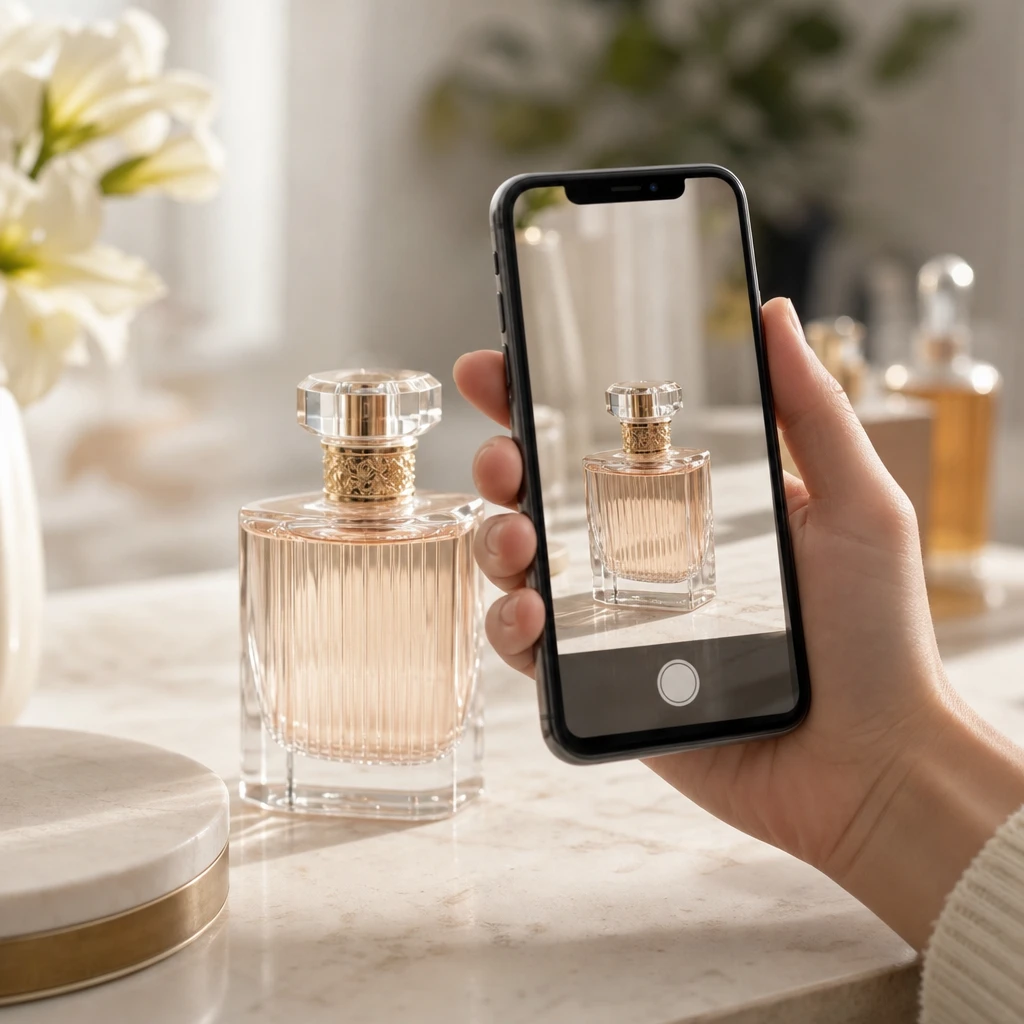
July 3, 2026
AI Perfume Identifier Guide (2026): How to Scan a Bottle, Confirm the Scent, and Find Similar Fragrances
July 3, 2026
Perfume discovery has become more visual than ever. A bottle spotted in a friend’s bathroom, a vanity photo on social media, a travel-size found in a drawer, a tester picked up at a boutique—most fragrance journeys start with a look before they start with a name.
That’s why “AI perfume identifier” and “perfume bottle scanner” searches keep climbing: people want instant answers, then they want the next step—What is it? Is it authentic? What does it smell like? What’s similar? At N.O.S.E. Notebook, we’ve built our workflow around that reality: identification should be quick, but the value comes from what happens after you identify the bottle.
Most perfume recognition tools rely on a blend of image analysis and database matching. A successful identification typically happens when the scan captures a few key elements:
Where scanners can struggle is just as important:
A good 2026 approach is to treat bottle scan results as a high-confidence starting point—then verify with a few fast checks.
A perfume bottle scan is only as good as the photo. For the highest match accuracy, we recommend a simple setup:
Use bright, indirect light
Natural window light is ideal. Avoid harsh overhead glare that washes out the label.
Wipe fingerprints off glass
Smudges can obscure label edges and distort reflections.
Photograph straight-on, then add one angle
One front-facing shot for the label + one 30–45° angle shot helps capture silhouette and cap details.
Include the cap (and sprayer if possible)
Many lines share the same bottle but different caps (a major clue for flankers).
If available, snap the bottom sticker or box
The base label can contain the exact name variant and size—particularly useful for near-identical releases.
When the scan is crisp, identification becomes faster, and follow-on recommendations become more accurate.
Once the scanner returns a match, it’s worth confirming it before purchasing a replacement or recommending “similar scents.” Three checks reduce errors dramatically:
Many brands release multiple flankers with nearly identical bottles (for example: “Eau de Parfum” vs. “Intense,” seasonal editions, “L’Eau” variations). Make sure the full name matches what’s on the bottle/box.
“EDT,” “EDP,” “Parfum/Extrait,” and “Elixir” often share design DNA but smell and perform differently. Also note whether it’s a body mist, hair perfume, or oil.
If you’ve smelled it before, anchor it with a quick internal checklist:
Those cues help spot a common mis-ID: two bottles that look alike, but belong to different scent families.
Identification is the first 30 seconds. The payoff is the organization that follows.
A fragrance vault is a personal catalog of what you own, what you’ve sampled, and what you want next. At N.O.S.E. Notebook, we see that enthusiasts enjoy discovery most when they can answer:
When you log an identified bottle, include:
Those personal tags are often more useful than generic note lists because they reflect how the scent behaves on skin.
After a bottle is identified, the next high-intent question is: What else should I try if I like this?
Similarity in fragrance isn’t one-dimensional. The best recommendations account for structure and effect, not just shared notes:
A practical way to think about it is “neighbors” vs. “cousins”:
When a recommendation engine has both the identified fragrance and a personal scent profile, it can suggest a mix—some safe, some exploratory—without sending you in a totally random direction.
Scan the bottle, then photograph the bottom label. Log it immediately; older bottles often become reference points for what you truly love.
A screenshot scan can work, but results vary depending on lighting and cropping. If the match seems broad, confirm by searching for cap shape + label layout in additional images.
In that case, identification has to be scent-led: notes, genre, and comparisons. Log it as “unknown decant” in your vault and attach your impressions; then match by profile.
That’s usually a flanker issue. Check concentration, bottle size, and label wording (even a single word like “Intense” can change the entire formula).
Bottle scanning can help flag mismatches in branding and packaging, but authenticity is nuanced. Counterfeits range from obvious to extremely convincing, and packaging can vary by region and year.
If something feels off, compare:
For higher-risk purchases (marketplaces, deep discounts), sampling from reputable retailers and tracking what you buy in a fragrance vault can reduce costly mistakes.
Our goal isn’t only to name a bottle—it’s to turn that moment into a personalized discovery path.
With N.O.S.E. Notebook, the best flow looks like this:
That’s how a single “what perfume is this?” moment becomes a curated collection over time.
In 2026, perfume bottle scanning is the fastest on-ramp to fragrance knowledge—but identification is only the start. Confirm the match, log it in a fragrance vault, and use your preferences to guide smarter sampling. For those building a wardrobe they’ll actually wear, N.O.S.E. Notebook makes it easy to identify what’s in hand and discover what belongs next.
Find your next scent
Browse scent profiles, notes, and houses — or let the Scent Finder match you to a fragrance in four questions.
October 14, 2026
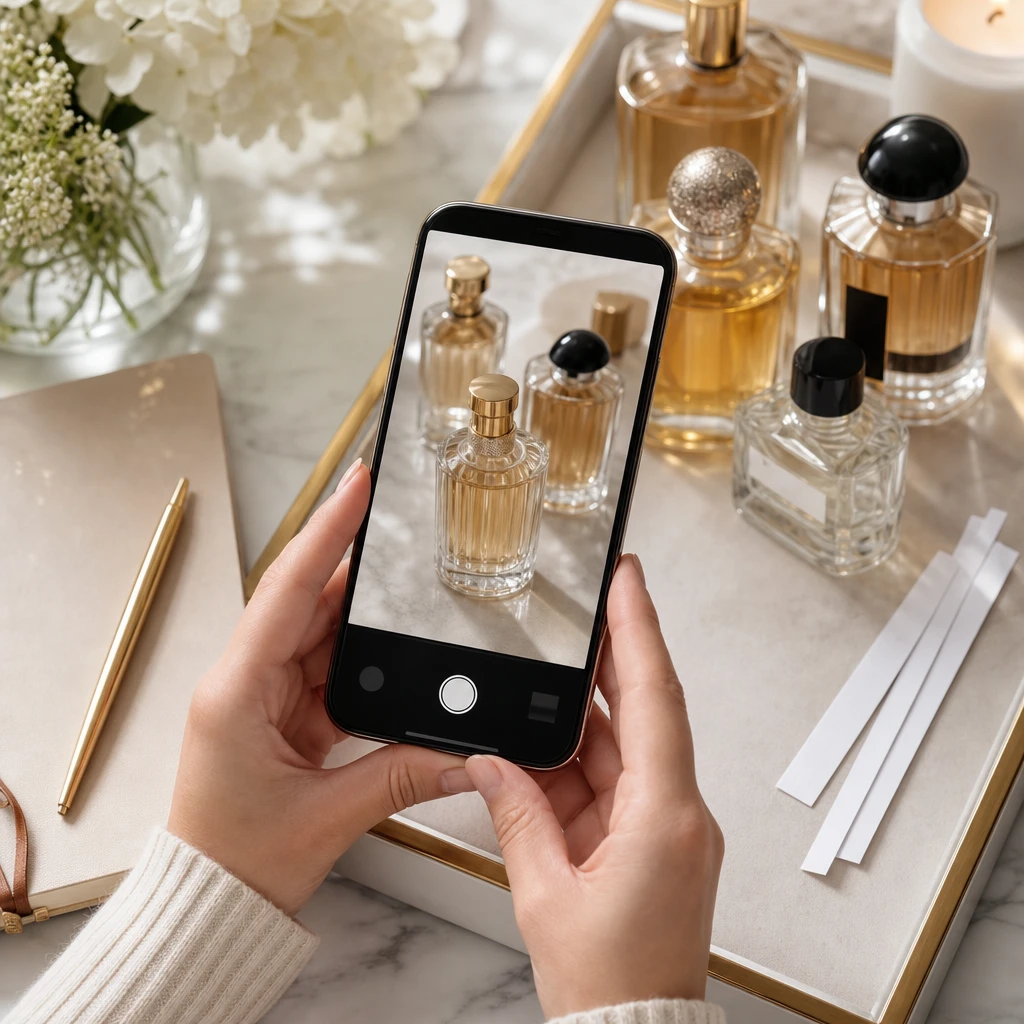
Perfume finder apps have leveled up fast: smarter AI, better bottle scans, and collection “vaults” that help you remember what you own (and what you actually love). Here’s what to look for in 2026—and how to choose the right app for your scent journey.
October 12, 2026
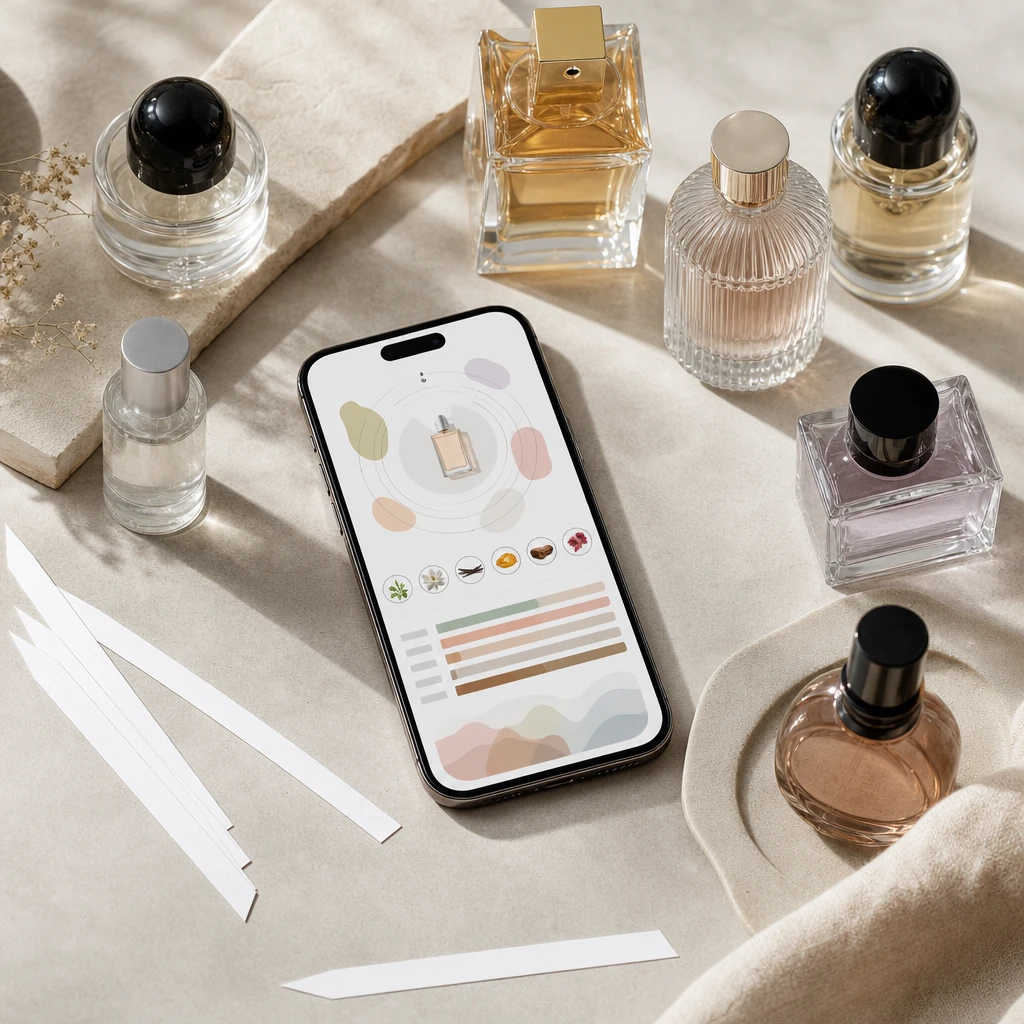
Finding a signature scent doesn’t have to mean buying a dozen discovery sets and hoping something clicks. Here’s a modern, realistic process—powered by a clear scent profile and smarter recommendations.
October 9, 2026
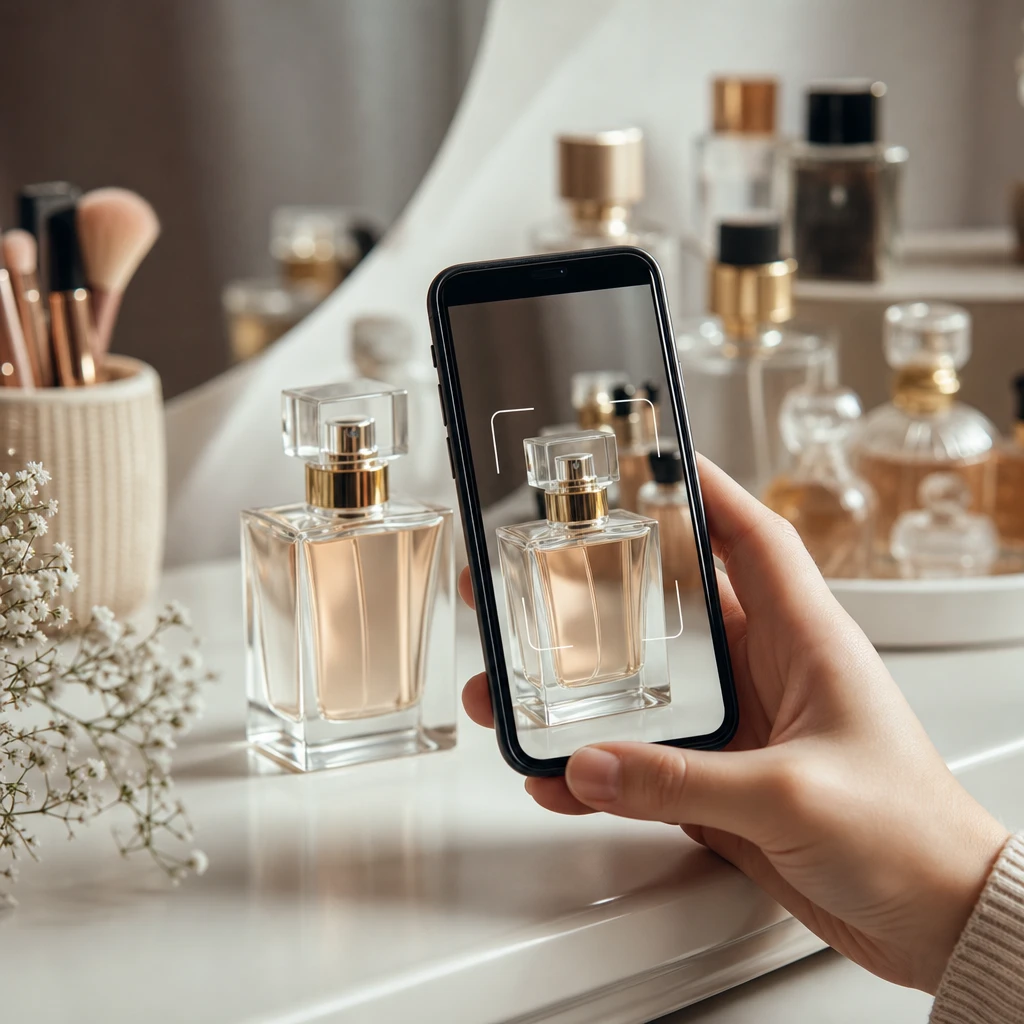
Trying to identify a perfume bottle from a photo? Here’s how perfume scanner apps work in 2026, how to scan bottles and labels for accurate matches, and how to fix the most common scan errors—especially when flankers and lookalike bottles confuse results.